Lynn Strong

Cozy fantasy and beyond

Tag: Beverages

  • I know I write in a niche; I started writing my books because I wanted to read books like them and couldn’t find them in a language I’m fluent enough in.

    So you could have knocked me over with one of the peacock feathers on this book’s cover when I ran into:

    🤴🏽A kind, soft, middle-aged Middle Eastern gentleman who…

    🫖 …loves his home’s food and culture and architecture and definitely the chai…

    🧸 …and needs a break from all the obligations and expectations and thou-shalts in his life…

    🐈 …and adores the thousand cats who wander around his city.

    🚋 (So much that he made them a little solar powered cat tram!)

    Up til that last bit there, I might have been talking about Chai and Charmcraft, but I am utterly beyond delighted by C. Quince’s Consorting with the King.
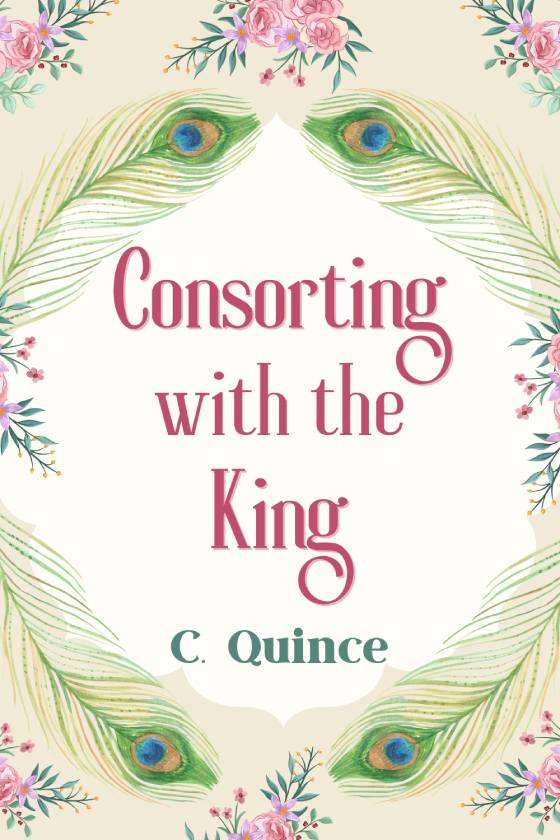
    Consorting with the King by C. Quince

    C. Quince’s solar-powered not-exactly-gaslamp edition of something adjacent to the Ottoman Empire is gently and cozily flipping the usual tropes all the way through, and I am so here for it. Instead of the white folks bringing Enlightenmnent to the brown folks, it’s clear early on that Istanbul is an old and beautiful and rich civilization even before the solar power comes onto the scene. The Western visitors have a lot of catching up to do (one of them nearly drinks out of the hand-washing bowl). The Turkish royals are better educated; they speak the handwaved-not-exactly-Saxon-that-gets-rendered-in-English with a bit of hesitation but still more fluently than the Saxon-and-Victorian-coded point of view character speaks Turkish.

    And then there are the cats. And the little solar powered cat tram. And the Cinderella-inverted setup that absolutely won my heart — I can’t say more without spoilers. I knew where it was going but I didn’t mind knowing that because the ride itself was as delightful as the cat tram.

    I might possibly have made an idiot of myself squeaking incoherently in his email about how madly I love this book, but I am not an AI bot or a scammer, but also I hate that I have to lead with that because I can count the number of actual humans who’ve emailed me on the fingers of one hand this year, but also I love this book. (But you can’t say that coherently without sounding like an AI bot or a scammer now, so that kind of leaves so incoherently no AI bot would have sent it, but also that may have led the human on the other end to think I’m entirely off my rocker? 😅 )

    Also, C. Quince introduced his readers to beverages I’d never encountered before, so of course I was extra bonus sold!

    I wish I could write fanfic without causing copyright trouble, I would love to write a crossover fanfic where our characters got to nerd out about their favorite beverages and their mutual love of cats and the rueful challenges of gently, cozily flipping the Cinderella tropes like pancakes rather than like tables.

    Alas, I can’t, but at least I can research some of those fascinating beverages without spoilers or lawyers?

    Kashkab and Qatarmizat from the Solar Sultan

    No spoilers here, but this is a quote from near the end of the book:

    “Anything cold?”

    “Yes, the lemonade,” Haşim said, leading Francis to the appropriate tray of drinks. “Kashkab,” he indicated the pale-yellow drink, “lemon, mint, pepper, and citron. Or, qatarmizat,” he indicated another yellow drink, “is sweeter. Or,” he added with a smile, “my favourite. Lemon and strawberry.”

    “That sounds good,” Francis said. “Why doesn’t that one have a name?”

    “Well, the other ones are recipes from Egypt.”

    If I were a cat you would have seen ears and whiskers lock on immediately with huge black targeting pupils and the wriggle of an impending book-pounce! 😻

    Here’s what How Stuff Works has to say about it:

    The earliest record of the precursor to lemonade hails from the Mediterranean coast of medieval Egypt. Kashkab was made from fermented barley combined with mint, rue, black pepper and citron leaf. Next time you’re at the juice bar, ask your mixologist to whip you up a frothy mug of kashkab! Or how about a shot of sweet and tangy qatarmizat instead? Thanks to the chronicles of poet and traveler Nasir-i-Khusraw, who wrote accounts of 10th-century Egyptian life, and to Jewish books and documents in the Cairo Genizah, we know that the medieval Jewish community in Cairo consumed, traded and exported bottles of the sugary lemon juice concoction called qatarmizat through the 13th century.

    I hadn’t run into Nasir-i-Khusraw or the Jewish community recipes in research before this, possibly because these weren’t dedicated cookbooks. An hour’s research hasn’t been enough for me to track down original sources, but here’s my Taking A Guess Unofficial Amateur Beverage Hack theories on how someone might get a similar sip today:

    Very Under-Researched Kashkab

    (more updates if I find them!)

    From the notes above, it looks like historic kashkab begins with a lightly fermented barley water. Since I personally don’t feel comfortable giving fermentation advice over the Internet because of the number of ways things could potentially go wrong (including exploding glass), I’m going to say “if you feel comfortable making small beer from barley, you do you” here.

    If you don’t feel comfortable making small beer from barley, and you live in a place where Robinson’s lemon barley water is available, that could be a much simpler first step.

    And if you don’t live in range of Robinson’s for sale, many Korean markets sell roasted barley packets for brewing a tea-like tisane.

    Alternatively, if you want to start with lemonade rather than barley water, Rule of Tasty is right there too.

    So after you have your base beverage at whatever level of barley, lemon, and/or fizz pleases you:

    • Grab a fill-your-own tea bag or tea ball
    • (If you’re starting with hot barley tea without lemon, add some lemon juice or zest here to taste)
    • Put into it some fresh or dried mint, some cracked black pepper, and maybe a couple celery leaves for a rue-adjacent flavor with less hazards
    • If starting with hot barley water, steep the tea-bag-or-ball in it for a few minutes, taste testing, and pull when you like the balance
    • If starting with cold barley water or lemonade, you might want to leave the herbs steeping longer because it will take more time to flavor cold liquid than hot.
    • Sugar doesn’t appear in either C. Quince’s book description of kashkab or in the historical notes, aside from whatever you need to get barley to lightly ferment. But again, I leave Rule of Tasty to your decisions.

    Very Under-Researched Qatarmizat

    (more updates if I find them!)

    It sounds like qatarmizat is closer to modern day lemonade, and sugar from sugarcane reached Egypt somewhere between 325 BCE and 700 CE, but I don’t have documentation on what percentage of the population used sugar vs. honey over time. Sugar was definitely in common use by the 1200s, because the Crusaders discovered it and took it to Europe with them.

    I can’t guess whether the bottling was also for the containment of fizzy fermentation or simply for ease of selling unit-shaped things to those who desired them.

    So if you like either sweet still lemonade or sweet fizzy lemonade, both sound plausible to me on this end of time!

    Pour a glass, sip, and enjoy a good book full of cats, since the book-cats will not be offended by the citrus in your glass.

  • (One of the recipes from Chai and Cat-tales)

    This is based on several historic recipes, most particularly sharbat e badam. Sharbat and sekanjabin and ‘aqsima / oxymel are very old beverages. Similar syrups were recorded by the 11th century’s Canon of Medicine by ibn Sina (known in much of Europe as Avicenna), with further details mentioned in the Persian Zakhira-i Khwarazmshahi, written for the shah of what is now Khorasan.

    You’ll also find ‘aqsima variations in the thirteenth century Syrian Kitab al-Wusla, translated as Scents and Flavors by Charles Perry, and the fifteenth century Egyptian Zahr al-hadiqa fi ’l-atcima al-aniqa by ibn Mubarak Shah, translated as The Sultan’s Feast by Daniel L. Newman. I owe both of them a considerable debt of knowledge, both for their research and for their choice to make their books available in digital form.

    (At the time of the original book, I’d been on a failed multi-year quest to achieve legible-to-me ebook access to Nawal Nasrallah’s works. I have partly-legible access now, though I’m struggling with how the ebook edition has both mangled the diacriticals in the Roman alphabet and decided to write every bit of the Arabic backwards. The quest for truly legible access continues…)

    Most of the sharbat and ‘aqsima variants involve making sweet flavored syrup concentrate, sometimes with vinegar or acid, and later diluting to taste to serve. (Yes, in essence we’re talking about medieval Kool-aid or Ribena here.)

    This particular variant is a little fancier, as befits the table of the shahzada. In my world-building, food and drink in the God-Emperor’s court takes many of its taste and scent cues from the Ayubbid and Abbasid empires, occasionally ranging into Mughal tastes as well. The boundary between what you call perfume, what you call incense, and what you call spice for food was more flexible in the medieval Middle East than it is in most places today.

    So I’m putting together sandalwood and vetiver and other incense notes with the more familiar cardamom and almond, and of course a shahzada’s table would be graced with saffron.

    But as a disabled person who can’t stand over a stove for an hour anymore, and with friends who are vegan, I’ve also got an easy-mode variation and a no-animal-products variation.

    (Many variations use kewra or screwpine essence where I’m using sandalwood. If you have access to it and you like it, enjoy! I don’t have access outside Rooh Afza, which brings a lot of red food coloring that knocks out the saffron gold.)

    The formal version

    The formal version makes about 4-6 servings:

    Optional, to brew overnight and strain ahead:

    • A couple pieces of food grade (not blended or preservative treated) sandalwood, or about ½ tsp powder, or alternatively a few drops of kewra concentrate if you have it and like it
    • A good sized pinch of vetiver roots, or khus concentrate (ideally undyed)
    • 1 cup hot water in a container with a lid

    Cautionary note: If you have any questions at all about whether your sandalwood is food grade, don’t make tisane of it. Instead, just burn it in an incense burner while you’re sipping your wood-free sharbat e badam, because scent is its entire purpose here.

    So, once you have guaranteed food safe ingredients here:

    Make a cup of very hot water. Let the woody parts steep overnight in a covered container on your countertop. Pyrex or a mug is often good for this.

    In the morning, strain the pieces from your sandalwood and/or vetiver tisane. If you used sandalwood powder, a coffee filter or cheesecloth may help with grit removal.

    Keep the liquid.

    (Decide whether the solids will dry nicely for a second brewing or if they’ve given their all. You could also set them out in a cup to scent your room.)

    Possibly also overnight, almond milk:

    • If you have storebought almond milk, you can use that. Skip ahead to “Making the sharbat” below.
    • If you don’t have almond milk, choose whether you’re going to use almond extract or make almond milk. If you’re going to use extract, skip ahead to “Making the sharbat” below.
    • If you want to make your own almond milk: Soak about ¾ cup almonds in water overnight. (This can be scaled up if desired.) Blanched peeled almonds will be faster; if you start with regular almonds you’ll want to rub the skins off in the morning. In the morning, after draining and/or peeling the soaked almonds, blend them in a blender, adding somewhere between ¼ and 1 cup of water, to make a smooth paste. (You can make a larger batch if you want to make the finished sharbat entirely vegan.) Pour the almond milk through cheesecloth or a flour sack towel and squeeze the almonds to separate the milk from the grit. (If you like oatmeal or cereal, you can scatter the leftover almond paste into that.)

    Making the sharbat:

    • Either 1 cup of your prepared woody tisane, OR 1 cup of liquid and a nearby incense burner
    • 1/2 to 1 cup of your almond milk (or another liquid with a drop or two of almond extract)
    • 6 green cardamom pods, cracked open and black seeds extracted, OR about ¾ tsp cardamom powder
    • A pinch of saffron threads
    • About ½ cup jaggery, brown sugar, or white sugar, with about 1 tsp reserved for grinding the saffron

    In a pot, add most of your jaggery or sugar to your tisane or water and bring it up to a simmer. Save 1 tsp for grinding.

    Put the remaining 1 tsp of your jaggery or sugar in a mortar with most of the pinch of saffron, reserving a few threads to top the glasses with.

    Use the sugar to grind the saffron into fine bits and add it to the pot.

    If you have cardamom seeds extracted from the green cardamom pods, grind those well in the mortar and pestle. Then add them to the pot of sugar water too.

    Add as much of the almond milk as you like to the pot and simmer until it’s reduced by about half and is a bit thicker, likely 15-20 minutes. Keep stirring to prevent scorching.

    Remove from heat and cool.

    For each glass:

    • 2-3 Tbsp of your chilled sharbat e badam concentrate, or to taste
    • 1 cup cold milk of your choice (cow, almond, coconut)
    • A couple of saffron threads on top
    • (Optional) Light an incense burner with some sandalwood if you have it

    And, as promised, there are simpler versions.

    Simpler Sharbat e Badam (vegan friendly)

    For 4-6 servings:

    • 4-6 cups almond milk OR cow milk/coconut milk with a few drops almond extract added
    • ¾ tsp cardamom powder (or ground from pods if you have ambitions)
    • About ½ cup simple syrup, to taste (can be store-bought or can be made by melting together equal parts sugar and water and stirring until clear)
    • Optional: kewra and/or khus concentrate, to taste
    • Optional but nice: pinch of saffron and 1 tsp sugar

    The night before, or whenever you can, grind your saffron with the sugar, add a few drops warm water, and stir until the sugar dissolves and the water turns golden.

    Add the saffron sugar water, the cardamom, and any flavoring extracts to your chosen milk.

    Sweeten to taste with the simple syrup.

    Refrigerate for a while.

    When ready to serve, stir and pour as is. (No dilution needed since we didn’t make the concentrate.)

    Add a couple threads of saffron to the glass if you have them.

    Light some sandalwood if you feel like it.

  • This was the second roughest holiday season of my life, and my plans for 3 weeks mostly of writing and editing… the universe said Ha, and kept laughing. I’m… probably not okay. But I need to keep impersonating it, because there isn’t a good alternative. When you grow up undiagnosed autistic with complex trauma and then become a theater major on top of that, are some things you learn about the functional value of masks that keep you together somehow when the show absolutely has to go on.

    I also realized that I made fundamental mistakes trusting WordPress’s defaults 3 years ago. But the amount of time and work needed to correct them is time that won’t go into writing new books.

    So here’s my patch between what I didn’t know about WordPress three years ago and what I can hopefully sustain going forward: the new Recipes section, collected by book, which I hope to add to gradually, reusing content that’s already written in the books and cutting down on the volume of paper needed in paperback editions. (If only in focus photos were not my nemesis!)

    Chai and Cat-tales has the least-intimidating collection of gaps to fill, so I’m going to start there.

    And, really, I’m willing to bet a fair number of folks are in need of some warm and soothing comfort lately.

    Golden Milk and Golden Chai

    Haldi doodh, turmeric milk, is an ancient drink from India. I can’t give you anything resembling a date, though. Every reference I’ve found has said Ayurvedic medicine has used it for “thousands” of years, and while I wouldn’t be surprised to learn it’s in the Manasollasa or Lokopakara manuscripts, I don’t have legible access to either of them.

    So in this case I’m blending history with a twist of modern knowledge: cucurmin’s bioavailability goes up dramatically in the presence of pepper and fat, and cinnamon and ginger and many other spices are potent anti-inflammatories (as well as being delicious). And if you’re adding chai masala as well, the difference between golden milk and golden chai comes down to whether you also simmer in some tea.

    The resemblance between dry chai masala, medieval poudre douce, and pumpkin spice is striking. I have a whole rant about the historical intersections between pumpkin pie spice and chai masala and poudre douce, with tangents through “things women are regularly mocked for enjoying, with or without pepper,” “things megacorporations time-limit and access-control,” and “things I want to enable more people to enjoy for themselves whether or not it is corporate-and-or-patriarchy-approved.” But that rant is not so cozy!

    Personally, it took me a while to warm up to turmeric drinks. In my quest for inflammatory symptom relief that wasn’t NSAIDs, most of the turmeric tisanes I’d tried tasted like I was licking my ochre art pigments. But once I found a concentration I liked, it got easier. And also tastier. 

    I’ve seen modern recipes going from “a pinch” to “a tablespoon” (!) of turmeric per cup of milk. My own balance point hits around a quarter to half teaspoon in my big 24 ounce mug, because on bad days I want to just make it once and sip on it for hours. 

    On a bad day, I’m also not going to be up for freshly hand grinding every spice. So I pregrind my chai masala. Then I use about ½ tsp chai masala to ¼ tsp turmeric, or sometimes half and half when I need extra ouch-fighting power.

    If you’re fond of skim milk or you’re using a fat free nut milk, you’ll likely want to either add a bit of coconut oil to the hot liquid or sip a spoonful of olive oil on the side. 

    I know some people enjoy “bulletproof coffee” with butter in it. And I’ve made and drunk Tibetan tea with butter and salt. But both of those strike my own taste buds as “We’ve crossed the beverage-versus-soup threshold here.” So I don’t suggest blending olive oil into your turmeric and milk, or you may find yourself wondering where the rest of your dal makhani ingredients are.

    Some useful dry chai masala / poudre douce variants 

    Easy mode: Get something already fine ground like pumpkin spice and add extra cardamom and black pepper.

    Easier mode: Use something like the Blue Lotus chai powder mentioned below, though it includes powdered tea so you will get some caffeine.

    Handcrafted for storage:

    • A couple dozen green cardamom pods, cracked and with the black seeds crushed. (Or 1 Tbsp powdered)
    • 3-4 cinnamon sticks, preferably Ceylon cinnamon, bashed up enough to fit in a spice grinder. (Or ½ Tbsp powdered) 
    • 1-2 tsp black peppercorns (or long pepper if you can find it)
    • 1-2 tsp dried ginger (not crystallized or fresh here; powder keeps longer)
    • ¼ to ½ tsp nutmeg, ideally fresh grated
    • If you can find them:
      • ½ tsp grains of paradise
      • A couple chunks of galangal
      • ½ tsp mace

    If they’re already powdered, mix them up.

    If they’re still whole, grind them all up together. 

    If you enjoy the brewing process, it doesn’t need to be ground too fine. 

    If you don’t want to have to strain it, make sure to remove the green hulls from the cardamom pods and extract the seeds before grinding. Then grind all the spices as finely as possible.

    Put the ground spices in an airtight jar and date it so you know how fresh it is. (Best within a few months; it won’t go off, it just won’t be as fragrant or as potent.)

    When you’re ready to drink:
    • 1 or 2 cups hot milk from cows or plants
      • (If skim, add a bit of coconut oil or a sliver of unsalted butter) 
      • (If you want it to be chai rather than hot milk, simmer some CTC black tea like PG Tips or Jivraj in there too)
    • ¼ to ½ tsp turmeric (to taste)
    • ¼ to ½  tsp chai masala / poudre douce above, OR pumpkin spice plus cardamom and pepper (to taste) 
    • 1 to 2 tsp honey, jaggery, or sugar (to taste)

    Simmer for 15 minutes or so, strain if needed, and serve warm.

    Scale up or down based on the size of your mug.

    Ready to drink easy mode: 

    When I’m having a bad day, my super-fast, get-it-done, not-sure-I-won’t-burn-the-milk-today version goes:

    • 1 or 2 cups hot water (not boiling)
    • ¼ to ½ tsp turmeric (to taste)
    • Half a container of Orgain’s vegan vanilla meal shake (brings enough fat for bioavailability, a lot of creaminess, a lot of vitamins, and enough sugar that I don’t add more)
    • Your chai masala / poudre douce equivalent of choice:
      • ¼ tsp your home blend, if you ground it finely enough not to need to strain it
        OR
      • ¼ tsp something like Blue Lotus original chai masala per cup
        OR
      • ¼ tsp pumpkin spice plus ⅛ tsp cardamom and several grinds of pepper per cup

    If I’m out of meal shakes I swap in 1 Tbsp milk powder and 1 tsp sugar per cup.

  • Anyone else remember the old Looney Tunes “Wabbit season!…. Duck season!…. Elmer season?”

    Somehow I have pulled off the posters and found “Pumpkin Spice Season and Conference Season.” And for the love of mercy, someone needs to thin the herd somehow!

    I don’t think I’ve ever hit a schedule of 9 conferences in 5 weeks before. Flights of Foundry was two weeks ago, Rainbow Space Magic was last weekend, HearthCon and Cozy the Day Away are this weekend (I’m both presenting and running tech support), next week is WordPress Global Accessibility Day, the weekend after that is the Self-Publishing Advice Conference, and that’s before I start listing off the too-personally-identifiable conferences at my university.

    I’ve just finished making the “In case of excessive virality, break glass and transfer the load to Google” emergency backup spreadsheet of book links for the Cozy the Day Away sale, because previous sales have caused the Bluehost server to struggle under the weight of thousands of cozy fantasy fans wanting at 90some books… and this time we’ve got 160 plus the attention of the entirety of HearthCon!

    So if the server says “help, I’ve fallen and I can’t get up,” I can throw out the spreadsheet link. The spreadsheet is not beautiful and filterable and personalized by each author… but Google can take the kind of load hits most other services can’t and keep on ticking. Still, here’s hoping cache tuning and view size reframing will buy us some breathing room? I am not actually a server admin, I am a user interface and metadata structure person. But I’ve hung out with enough server admins to have a vague idea of which words to look for in case of viral-necessary tuning?

    Anyhow, I should find a recipe to post with this!

    I have been vastly amused by the Cookbook Diss Tracks being laid down between the tenth and fifteenth centuries. Ishaq al-Mawsili’s grudge chased Ziryab from Baghdad to as close to the far end of the continent as he could get without falling into the ocean… and then Ziryab turned around and set up cultural court in Cordoba and laid down the culture and etiquette and personal grooming and fine dining standards that have lasted most of the next thousand years. But that needs to be a future blog post, because I have now formally Pumpkin Spiced Myself FOR SCIENCE.

    Self, I thought, how can you call yourself a cozy fantasy writer if you have not tasted Starbucks’ own legendary Pumpkin Spice Latte? You should do that for HearthCon.

    Self, I also thought, you have not previously done this because your body really, really hates coffee. Do not do food sensitivity-adjacent biological experiments during a two day convention where you’re also tech support.

    So, last weekend and not this weekend, I turned myself into my own lab critter.

    The lab notebook annotations include:

    🎃 “Pumpkin spice” as a spice doesn’t technically have to have pumpkin itself in it, but yum! Very much nutmeg-forward on the spice blend, or else the sprinkle on the top was. I’ve been contemplating how I might add pumpkin-per-se to my own chai and reading up on how different folks recreate the pumpkin-having parts of Starbucks PSLs and came up with the variations below.

    🫠 Really, Starbucks? 21 different modification dropdown menus with over 100 options for a single beverage? My low vision self made brain-frying noises trying to navigate through the system and I just hit the “default order” button on the iced pumpkin spice chai, because there was no coffee in it (theoretically).

    🍦Have you ever accidentally melted Culver’s pumpkin ice cream and then drank it anyway? The default-settings iced pumpkin spice chai tasted very much like that to me. 

    😵 Some mistakes were made. I’d wondered if Starbucks might have enough Ambient Coffee in their water system for my food sensitivities to protest? Some empirical experimentation later: 

    🤭 Yeah it was a good thing I did this the weekend before HearthCon and Cozy the Day Away tech support, because my body went into full-on “As per my LAST EMAIL…”

    🔬 Still. Food science has been scienced, complete with accidental biohazards. For SCIENCE!

    If you’re not from the land of home-baked pumpkin pies…

    The overlap between the ingredients in chai masala, poudre douce, and what you get in a jar of McCormick’s pumpkin spice mix are pretty high. Generally speaking, you’ll take out the black pepper and cardamom and add more nutmeg, but here’s what you get in a jar of McCormick’s pumpkin spice (which does not include pumpkin itself):

    • Cinnamon
    • Ginger
    • Nutmeg
    • Allspice
    • A sulfiting agent

    Compare that to versions of poudre douce from Le Menagier de Paris:

    (One version)

    • Cinnamon
    • Ginger
    • Nutmeg
    • Grains of paradise
    • Sugar

    (Another version)

    • Cinnamon
    • Ginger
    • Cloves
    • Bay leaves

    And then compare that to the simple base and complex variations of atraf al-tib from Kitab al-Tabikh:

    • Cardamom
    • Ginger
    • Cloves
    • (optional) Bay leaves
    • (optional) Rose petals
    • (more options if you like them) Nutmeg, mace, black pepper, spikenard…

    I haven’t seen bay leaves or spikenard listed in a chai masala blend, but all the rest of it, including cinnamon and black pepper, have made appearances in different chai masala variations I’ve seen.

    I currently live in the state that produces more pumpkins than anywhere else on the continent, and lived downwind of a pumpkin packing plant for quite a while. Somehow it smells much better coming out of the can than it did going in, and I don’t know what alchemy is necessary for that to happen. But as a result, there have always been cans of pureed pumpkin available year round in my area.

    If you don’t have that available? Acorn squash or butternut squash make pretty good substitutes when you sweeten them and puree them and toss in some of the aforementioned pumpkin spice.

    Or if you enjoy egg custard, the relationship between custard tart spice and pumpkin spice is pretty high too. And an American-style (sweet) pumpkin pie is much closer to a sweet custard tart than to a savory quiche.

    When studying in the UK, the hosting university tried very earnestly to throw us a Thanksgiving feast complete with “pumpkin pie.” It was, yes, technically a pie containing pumpkin. But it was a savory pie containing slices of roasted pumpkin, skin and all, and — spoiler alert — you can’t roast most large orange carving-style pumpkins skin and all the way you could do with an eggplant. The big carveable ones have been bred to be tough enough to stand up to both overenthusiastic kids with serrated knives and squirrels delighted by the newfound entrance to the juicy meats inside, once that annoying candle in the guts burns itself out.

    So a can of pumpkin puree and a pastry pie crust is how most folks start their pumpkin pies around here. But if you don’t think you can use a whole can of pumpkin puree, or if your neighbors are avid gardeners and you haven’t locked your porch/patio/garage/car trunk/anything in which a box of squash may be “helpfully” deposited and you’re desperate for something to do with the overflow?

    Homemade pumpkin or other squash puree

    For additional Starbucksification of your hot caffeinated beverage, should you so desire.

    (The low spoons way for me to do this is to buy a can of puree, but that may not be as easy elsewhere, so…)

    • A squash or two
    • A baking dish which will hold them both when cut in half
    • Enough water to fill about 1/4 inch of the baking dish for extra steaming

    Preheat an oven to 350 F / 175 C.

    Halve your squash and take the seeds out.

    Put about 1/4 inch of water in the bottom of your baking dish.

    Put the squash cut side down on the baking dish. The water should help it steam rather than brown and glaze.

    Roast your squash for about 45 minutes to an hour, until soft when poked with a fork.

    Let it cool enough to handle, then scoop the innards away from the skin.

    Mash it up with forks, a potato masher, or a blender, your preference.

    If it’s a stringy squash you might want to press it lightly through a wire mesh sieve to extract the pulp and leave the strings behind.

    You can either spice it to taste now or add spices later. I tend to add the spices later once I know what else is going into it (eggs and cream for a pie or tart, or tea/coffee for a beverage, or maybe I would make a big bowl of Carmarthenshire Welsh stwmp with as many mashable root vegetables as I could lay hands on, in which case I’m not going to want it pre-sweet-spiced for lattefication.)

    Refrigerate until ready to use.

    Imitation Starfaring Beverage with Pumpkin And Spice

    • Pumpkin puree (as above or from a can), about 2 Tbsp per beverage
    • La Lechera squeeze bottle (easy mode) or a can of sweetened condensed milk, about 2 Tbsp per beverage
      • Avoiding cow milk? Nut or soy milks plus some sugar will be thinner but taste similar
      • Egg nog flavored non dairy creamer can also bring a very similar spice profile, in which case you probably won’t need as much pumpkin spice
      • If you aren’t using sweetened condensed milk, you may want honey or simple syrup.
    • Pumpkin spice blend (McCormick or home-blended to taste), about 1/4 tsp per beverage
    • Hot beverage of your choice (coffee, masala chai, hot milk, hot milk alternative…)
      • Making tea or masala chai? You may want to brew it stronger than usual to stand up to the extra pumpkin and milk-or-alternative.
    • Ground nutmeg to dust the top with
    • (Optional) Whipped cream or alternative
    • (Optional) Whichever of the 100some other Starbucks additions makes you happy!

    For a 12-16 oz mug:

    • 2 Tbsp ish pumpkin puree
    • 2 Tbsp ish sweetened condensed milk (squeeze bottle or can)
      OR
      Non dairy milk and sweeetener to taste
    • When preparing the hot beverage, stir the dry pumpkin spice in so that it gets a chance to cook along with the tea leaves (or the milk simmering or coffee brewing).
    • Fill most of the rest of the mug with your hot beverage.
    • Stir vigorously to blend together, and taste test to check the sweet-to-spice balance before topping.
    • (Optional) Apply whipped cream or whipped non-dairy alternative to the top of the hot beverage
    • (Optional) Dust with nutmeg

    Sip, purr, repeat.

  • Or at least it does if I have correctly flipped all the switches and clicked all the clickables!

    Haroun’s book is really personal for me. I share disability spectrums with both Shai Madhur and Haroun, and I have a lot of friends who share intersectional communities, so the afterstuff is longer than it was for Chai and Cat-tales, but the story itself is also well over twice as long even before I added in 50-some pages of recipes.

    I am also drowning in small business minutiae on very little sleep; please pardon typos. Yesterday (9/6 as I’m prewriting this), I tried to do the marketing grind and also port my whole mailing list to a new provider because the current one decided this was the perfect month to halve their free tier and start charging more than I earn in an average month from book sales. And my brain just would not cope. Neither would my body or my eyes. So instead of being on the laptop juggling spreadsheets and logins, I was flat on my back with my tablet two inches from my nose, gleefully chatting zucchini/courgettes with Lacrima Mundi, QuiteBrief, Matt Mason, and Steve Hugh Westenra.

    QuiteBrief and I both live in what I colloquially refer to as zucchini country, meaning the part of the world where at certain times of year you know you must lock your car, your porch, and/or your garage to prevent drive-by depositing of boxes of tomatoes and various gourds of a size that double as blunt instruments which were discovered under overgrown leaves by avid gardeners.

    I have had to deal with 20 pounds of assorted squash in an entirely too short time window, and so zucchini bread, many soups, many stir fries, and mad fusion crossover food like potato-zucchini fritters and Carmarthenshire Welsh-meets-Korean variants on stwmp have made it into my experimental recipe collection. Matt has some delicious looking Greek variations in that thread and QuiteBrief’s chocolate zucchini bread also sounds intriguing.

    We also bonded over a mutual appreciation of shiso, which features prominently in both Japanese and Korean food, and it makes a delightful substitute for mint with a delicate pink color (even when you use the green shiso variant) in sekanjabin. Unfortunately it doesn’t dry very well, but it’s essential in Japanese umeboshi pickles (at least in my opinion). Sekanjabin uses up a lot more of it than umeboshi do, though. I’ve also considered a shiso pesto sort of notion to blend shiso leaves with an olive and sesame oil blend and freeze in ice cubes for later use. (At some point I’m going to blog the medieval form of za’atar from Haroun’s bonus recipe collection, which is basically pesto made with thyme and walnuts instead of basil and pine nuts, and this is a note to future me to come back and link this in.)

    I confess the chat did not make my small business obligations any shorter but it was a joy and a relief to just talk about food nerdery because I wanted to, not to grind more social media marketing performances because I was obligated to.

    And since I have 50 pages of not-yet-blogged recipes from Haroun to choose from, here’s one of them! One of these days I really will get around to the mega-post about sharbat, sekanjabin, shrub, switchel, and various international variants on “sugar + acid + flavoring = beverage,” but in the meantime, here is a sweeter version of Najra’s Crimson Witches’ Brew.

    Grandmother’s Karkadeh for Good Boys, Good Girls, and Good Folks

    Technically karkadeh could be made as a sharbat, like the shahzada’s fragrant almond, khus, and sandalwood sharbat from Chai and Cat-tales. But Najra’s Crimson Witch’s Brew is at the other end of the scale from a sharbat even though it’s based on karkadeh. A sharbat is a sweet syrup with a particular flavor used to make drinks and sometimes dressings, karkadeh is a sweet hibiscus drink, and Najra’s Crimson Witch’s Brew is the sourest combination of hibiscus and other tart things that you’re willing to put in your mouth.

    There are folk tales that the pharaohs also drank karkadeh, but unfortunately I haven’t found any references more concrete than “everyone says”-type marketing materials. I wouldn’t be surprised if hibiscus drinks have been made and consumed for that long – I just can’t document it.

    Here are three variations based on whether you’d like to store sharbat concentrate and dilute to taste when you want to drink it or whether you’d like to make a cup at a time.

    A pitcher for a party like Haroun’s:

    • 1/4 to 1/2 cup dried hibiscus flowers
    • Up to the same amount of sugar (optional but customary)
    • 2 quarts of water
    • Optional: A lime or some lime juice
    • Optional: Some rose water and/or mint sprigs

    Simmer the hibiscus flowers and sugar together until the liquid is bright red and the sugar (if you’re using it) is dissolved, usually 5-10 minutes. (If some people in the party want sugar-free, you could also make the tisane without sugar and serve a container of simple syrup on the side for folks to use or not use as desired.)

    When the color and flavor are as strong as you like, strain the petals out of the karkadeh with a sieve or cheesecloth.

    Chill until you’re ready to serve.

    Taste when cool, because temperature makes a taste difference. You might want to adjust the tartness with lime and/or simple syrup at this point. Add any rosewater after chilling, so that the flavors won’t evaporate with the steam.

    Decorate the pitcher or glasses with mint sprigs if desired.

    (If you plan to serve it with ice, use less water in the simmering to start with, so it will be less diluted by the ice melting.)

    For sharbat concentrate to save and dilute later:

    Low spoons? Monin sells a tasty hibiscus syrup that’s likely intended for tea shops, but I drink enough chai to be my own tea shop. So if you need any encouragement to become your own tea shop too, go forth and brew with all the tasty benedictions!

    Making your own: Instead of making the sugar 1:1 with the hibiscus, you’ll want sugar 1:1 with water (or 2:1 with vinegar for some sharbats), so that you have a condensed syrup that you dilute to taste later. Unfortunately, I don’t know of a no-sugar alternative for this type of syrup.

    • Up to 3 cups sugar, separated
    • 2 cups water
    • 1/4 to 1/2 cup dried hibiscus petals (or, if you have them fresh, as many as you can wilt into the pot)
    • (Optional) Juice and zest from 1-2 limes, about 2-4 Tbsp
    • (After cooling) Rosewater and/or mint sprigs if desired

    First, simmer the hibiscus petals and any optional lime zest for 10 minutes or so, in order for the flavor and color to be extracted. Use a sieve to strain out the petals and give them a good squeeze with the back of a spoon to extract all the liquid into the simmering pot. (I recommend removing the petals before adding the sugar because of how thick the syrup will be; you’ll lose a lot of syrup if you let it cling to the petals.)

    After the petals have been removed, while the hot hibiscus tisane is still simmering, add 2 cups of sugar gradually, stirring so that the sugar dissolves. This will be a thick syrup when cooled.

    Once 2 cups of sugar are dissolved in and the liquid is clear, adjust the sweetness/tartness with the lime juice.

    You can taste test with a tablespoon of sharbat in about a quarter cup of cold water to assess whether you’d like it stronger or sharper. Don’t entirely cool the syrup until you’re sure you have the balance you want, though; you might overcorrect the tartness with the limes and need to dissolve some of that third cup of sugar in.

    When you’re satisfied with the sweet-tart balance, cool the syrup. If you like rosewater, add a splash of it now. Store in the refrigerator until ready to use.

    When serving, plan for one part syrup to three or four parts of cool water, more or less. (Again, taste testing is your friend! I use a couple tablespoons of syrup per cup of water. If you use carbonated water, you have your own karkadeh soda.)

    For a sugar-free alternative, individual servings:

    • 1-2 tsp dried hibiscus petals
    • 1-2 cups hot water
    • (Optional) Sugar-free sweetener of your choice
    • (Optional) A slice of lime or sprig of mint

    I do like hibiscus tisane without any sweetener in it as long as I don’t stack too many other bitter-makers into it. Everyone’s tastes vary, of course! You can also make a sugar-free batch at the pitcher size and offer simple syrup on the side for those who partake.

  • So, wow, it’s been a year, hasn’t it. I’m still trying not to think about 2025.

    If anyone else out there is in need of an introvert break between big holiday events, I think Karryn was pretty brilliant with the timing of the last Cozy the Day Away sale this year, which is happening tomorrow when I’m writing this (aka Dec. 29)

    In the general lull between big events? Check.

    Introverts wanting recharge time before the next round of big energy events? Check.

    Some folks with gift cards they’d like to find joy with? Check.

    Some folks in need of respite for the soul after too many sharp edged family or other encounters? Hoo boy, check.

    So yeah, if you need a bit of escape time on the 29th, check out the sale.

    I also sold another story that’s coming out next July! And I’ve got about 42,000 of what I’m guessing will be about 60,000 to 80,000 words written on the first book of the trilogy, with some wild ambition to try to finish a first draft in January. Not sure if that’s going to happen, but knock wood?

    When putting together the playlist for Shai Madhur’s mouse party with Emily Goss on Bluesky, I encountered the notion that it’s possible I’m the first person to put together the idea of egg nog and lassi? I’ve found egg nog, eggless nog, and, uh, I wish I was kidding about celery nog.

    But egg nog was hard to find this year — it looks like electing an orange fascist actually does nothing to miraculously lower the price of eggs, increase the availability of egg products, or solve the avian flu pandemic spreading among agricultural birds and cattle, go figure.

    I can still find yogurt, though. And people who are less allergic to corn than I am could have easy mode eggless nog with Bird’s custard powder. I do miss Bird’s, it was delicious when I could still eat it.

    So for folks who can handle either egged or corn-starch-having eggless nog, Ranveer Brar has a video with both varieties.

    Here’s my egg-free and corn-free lassi nog for the rest of us.

    Lassi Nog

    For each cup:

    • 1/2 to 1 cup sweet vanilla yogurt (or regular yogurt plus 2-3 drops vanilla and simple syrup to taste)
    • 1/8 tsp cinnamon
    • 1/8 tsp nutmeg
    • A few threads of saffron
    • A few drops of rum extract or brandy extract if you want familiar flavor without the alcohol
    • 1 Tbsp water (plus extra water or milk to thin the texture… or a shot of brandy if you prefer)

    Start the saffron soaking in 1 Tbsp water while preparing the rest.

    Put some yogurt in a container with spare stirring room and stir until soft and blended.

    Add in your cinnamon, nutmeg, and chosen extracts or alcohol, then stir through.

    When the saffron water has turned golden, stir it in as well. (Usually I would recommend grinding saffron into sugar for hot chai, but I’m not confident the sugar would dissolve well in cold yogurt. If anyone tries it that way, let me know.)

    At this point, assess the drinkability of your beverage and decide if you’d like it thinner (more water/milk/alcohol) or thicker (more yogurt).

    If you’re patient, refrigerate it for a few hours to let the cinnamon and nutmeg meld in.

    When ready to serve, grate a bit more nutmeg on top of the glass.

    I am not patient and it smells delicious, so I drank mine straight away. (Clearly I will need to experiment with larger batches for leftovers.)

  • The night before the election, when I hadn’t slept for two days from pain from both the literal stormfront and the pressure of what was hanging over the world, I asked my friend Celia Lake for a sanity check on how crazy it might be to try to publish a book before the end of the year.

    I thought she’d say “settle down, that’s not realistic.”

    Instead, Celia thought about it for a minute, and said, “I think you could make that timeline if you have the text by Thanksgiving, and I could format it for you in about half an hour.”

    I really needed that. I still need that.

    (Celia, if you see this, thank you so much for giving me something to hold on to.)

    I knew when Biden dropped out in July that Kamala wasn’t going to win.

    I’d hoped for a few weeks that the country might surprise me. That the mad red hatters wouldn’t actually all crawl out from under the rocks to make sure the smart, joyful, competent brown woman lost to a doddering, demented old fascist because they were all going to put the uppity woman in her place.

    There have only been two other times in my life when I’ve wanted so desperately to be wrong about what I saw coming.

    Unfortunately, I was right all three times, no matter how badly I’d wanted to be wrong.

    (I really feel for Rahat, who is the type of prophet who foresees the dangers that other people don’t see, and who can’t always stop himself from knowing things he doesn’t want to know.)

    I did not have time to write an entire novella of cozily vindictive witches-vs-the-patriarchy wrath in a week where I was numb with grief and scrambling to keep it together and also organizing a whole conference.

    I didn’t have time or energy to spare but it came pouring out of my hands anyway.

    I didn’t want a brown woman’s victory over the forces of the patriarchy to be the most unrealistic part of a fantasy with cursed spellbooks and flying carpets and shapechanging cats. But here we are.

    And I love Najra. She’s the smart, scheming, ambitious, asexual, book-loving witch-archivist part of me has always wished I could be. (If it weren’t for the fact that I’m also much more like Rahat, soft and fat and anxious and not at all neurotypical and fretting over whether or not I’ve kept the required mask in place well enough for the necessary public performances. Not to mention the foreseeing things I really wish I didn’t. )

    So Najra is going into the book, and Priye is going into the book too, and so is Shai Madhur, the gentle priest who feeds even the granary mice, because everyone is welcome.

    I’m hoping to set up a pre-order for December 21 or 22, and then to be able to tie in to Karryn’s cozy sale on the 29th.

    I’m going to see if I can post about each of the novellas between now and then too. If nothing else, I’ve got to polish the blurbs. (And, since this is me, shorten them too.)

    Also since this is me, here’s a recipe.

    Najra’s Crimson Witch’s Brew

    • 2 cups hot water
    • 1 tsp dried hibiscus flowers
    • 1 tsp dried rose flowers
    • 2 green cardamom pods, cracked open and the black seeds pulverized
    • (Optional) A few drops of screwpine, which also sounds properly witchy, but if you don’t have it a few drops of Rooh Afza or rosewater will do
    • 1/4 tsp sumac (optional, but if you’re feeling exceptionally sour, go for it)
    • Simple syrup (half and half water and sugar)

    Steep the flowers and spices, covered, for about five to ten minutes, while muttering imprecations about the patriarchy.

    Taste the brew straight. Make a sour witch face as needed.

    Get determined to grab your own damn happy ending, at least for this cup.

    Add 1/2 tsp at a time of your simple syrup, stir, and taste again.

    When you’ve determined what level of sweetness brings you joy, note it down in your spellbook.

    Or if you hate everything in the universe (including sharp-edged tisanes) right now, go pour out the cup over a weed you’d like to kill. Then consider opening the nearest bottle of Cabernet Sauvignon instead.

  • I got a week mostly off this week, which is pretty astounding. I have been so burned out at work that it’s coming out in my writing– I’m currently writing about the priests of Upaja, one of whom is so ferociously devoted to his calling that it took, in the words of one of the junior priests, “both an actual conspiracy and an act of God to get him to take any time for himself.”

    (Yes, I do resemble that remark. In my case the act of God was a hurricane. I am not unaware of irony.)

    So I was absolutely delighted to discover Karryn Nagel’s next Cozy Fantasy sale is July 12 (tomorrow when I’m writing this), because it also happens to be my birthday.

    What are you going to do for your birthday? a lot of my co-workers asked.

    Many people do know I’m disabled, but not how much. Like Rahat, I do have years of experience in masking.

    So I borrowed Ashar’s skill in telling the truth through exquisitely angled language that doesn’t mention the words you can’t afford for some people to hear.

    I told them I was going to unplug from everything and curl up with a lot of really excellent ebooks.

    Which is also, conveniently, entirely true!

    And I know what they picture is nothing like what I live with. I tell my life stories that way intentionally. Like Ashar and Rahat, there are some things I just can’t afford to have spoken aloud in some people’s hearing.

    Karryn knows me better than many of my co-workers at this point. When I told her I was struggling with the PDF from the original sale in April, she asked how it could be more accessible.

    Hark, I hear my calling, I said.

    (Well, no. That’s what I wish I’d said. What I actually said was more along the lines of “so I am actually certified in accessible information design, I live and breathe WordPress 40 hours a week, and I’m 98% sure we can make you an author-managed accessible responsive category-filterable website for free in a subdomain?”)

    Karryn said, Awesome. Let’s do it.

    (Pretty sure she actually did say that.)

    So we did it!

    Tomorrow I am eagerly looking forward to putting my phone in airplane mode, uninstalling everything Microsoft ever made, shutting down all the notifications on my tablet, and, I hope, getting one blissful day of peace to browse alllllll the cozy fantasies.

    (One of my friends did the Great Unplugination for a week, and found the police breaking down his door on the third day because everyone he knew was so used to being able to ask his time and attention any hour of the day or night that they thought if he wasn’t immediately answering their every need he was either having a medical emergency or already dead. I learned from his experience to warn people before i turn off my own over-a-dozen always-on ping streams. The more you know! …did I mention how burned out I’ve been at work? Hahahahawhimper.)

    The Bouquet of Beverages

    My family knows I can’t read most print anymore and need dark mode with a lot of magnification, so they regularly give me Amazon gift certificates to help me convert my print library into ebooks I can read. And mostly I do get ebooks with them.

    But then I spotted the 14-flavor sampler of floral simple syrup concentrates were back in stock.

    When “this was out of stock for weeks before your birthday but just came back in stock” intersects with “no really I can officially use this for Research, I need to know all the flower flavors for rahat-al-hulqum recipe reasons, it is Research” intersects with “ooh pretty bottles” intersects with “birthday gift card” … yes, I am weak.

    My only regret is that it wasn’t back in stock in time to arrive by tomorrow for the Designated Day of Cozy.

    I am planning to try some of them in tea, some in seltzer, some in rahat al-hulqum, and some in microbatched sharbat that I will probably be acidifying with either an eye dropper or a 1/32 measure.

    Some of them do already have citric acid in them, though, so be careful not to use them in milk or lattes.

    I mean, not unless you want to experiment with homemade floral tea-cheese or coffee-cheese blends. I am an experimental cook but not quite that experimental!

  • It’s Midsummer, the longest day of the year, and my jasmine plant is loving it. I, meanwhile, am looking for simple but cooling drinks when the lowest temperature for 3 weeks is 88 F and hot chai sounds much less appealing.

    I’d originally planned to write up a detailed history of sharbat and its descendants shrub and squash and switchel, with wanderings through syrup and sekanjabin and so on. But it’s been a crazy week at my paying job, with 8 of 10 people out at one time or another, and making up a proper sharbat takes more standing over the stove than I’ve been able to accomplish since before I became disabled. So I started looking for something that fit into today’s spoon drawer.

    Roughly speaking, sharbat involves making a thick flavored syrup with some acid and diluting it to taste. Sharbat e sekanjabin is one of the oldest, with mint and vinegar and sometimes cucumber, used either as the base of a beverage or as dipping sauce for lettuce in its thick form. Rose and pomegranate are both popular, saffron and sandalwood are both documented too, and once the notion made it to Europe you start getting into everything from basil to watermelon to carrots (no, really — they’re sweet!) If someone has made a trendy lemonade of it, there’s a good chance someone has made sharbat of it too.

    …well, maybe. I made shiso sharbat e sekanjabin the year the perilla tried to devour my whole garage. I don’t know if anyone has made shiso lemonade. But aside from that — sharbat, lemonade, and Kool-aid are all built on the same chassis: sugar, acid, flavorings, and no alcohol.

    This is me, and I named both Asharan bir Chameli and his House of Jasmines after my 20 year old Maid of Orleans jasmine plant. Which is currently vividly flowering! I picked a dozen flowers this morning while watering it.

    But when you’re going to make chameli ki sharbat / mogra ka sharbat / whichever jasmine varietal you have sharbat, you need a basket, not a cupped handful. One of the recipes I saw started with a unit of measure that was “about 3 gajra of mogre.” In other words, go buy three strands of freshly tied hair-ornament jasmine sambac (hopefully without preservatives or pesticides) and unweave them, and use that much to make your syrup. I’m estimating 250g of flowers is at least a hundred.

    So here’s my lower-spoons versions. These don’t start with “step 1, have hundreds of fresh jasmine blossoms all in bloom on the same day.”

    If your jasmine is blooming:

    • A dozen jasmine blossoms, picked when unfurled (often at night or the early morning)
    • Either 2 cups water or 3/4 cup water and some ice
    • 2 tsp white sugar (ish — more or less sweet depending on your preference)
    • Optional: A couple drops of lemon juice if you have a lemon open (but I didn’t, and it turned out quite nicely even without it)

    I have a little water heater which makes 2 cups of water hit 150 F in about 90 seconds. For this application, I didn’t want the water fully boiling; I trust my plant and my keeping of it and wasn’t terribly worried about needing to sterilize the flowers the way you would for jam or most sharbats. So get your water up to green tea temperature.

    With a heat safe teapot or large mug, put in the sugar and the jasmine blossoms.

    Pour the hot water over it, stir it until the sugar melts, cover it, and let it steep for at least 15 minutes. (In my case, that went ‘get pulled into a string of meetings for several hours,’ by which point it was both nicely cooled and very fragrant.)

    I mostly prefer room temperature drinks to cold ones, so the 2 cups hot water cooling to room temperature was fine for me to have a cooler-but-not-cold drink.

    If you prefer it colder, here’s the iced variation: Stir your sugar and flowers into 3/4 cup hot water, let steep for a few, and then pour the still probably warm liquid over ice. (You want to add the sugar while the liquid is hot even if you cool it later.)

    I’ve refilled my cup twice this morning and the flowers are still sweetly scenting the infusion and my room. I don’t mind gently sipping around floating flowers. If that’s a challenge for you, though, using a teapot and pouring through a strainer should take care of it.

    If you don’t have a blooming jasmine at hand:

    The recipe above isn’t technically a sharbat; it’s kind of a sharbat shortcut. Instead of making and then diluting syrup with acid, I just made it at the drinking concentration.

    But you can buy jasmine syrups, though not as many as there used to be.

    My former shortcut favorite, Monin, stopped making their cane syrup jasmine a few years ago and replaced it with honey. I have nothing at all against honey except that in this case it’s letting them shortcut on the flavor, which is now more like honey and less like jasmine itself. But if honeyed jasmine sounds great, or if Monin is what’s most accessible to you, have at it!

    I haven’t yet had a chance to try Floral Elixir or Amoretti’s jasmine syrups. From the prices, I suspect that’s why Monin shifted to honey.

    If you like sparkling water, using either a homemade sharbat or a syrup will get you to jasmine soda much more readily than my more dilute version too.

    I haven’t done the brand research to see if there are any jasmine essential oils that I would consider food safe, and they’re so concentrated they’re really not an easy substitute for cooking extracts like vanilla and almond.

    Let me know if you’d like the more detailed sharbat dive some time, or maybe a wander through the intersections of perfume and spice and cooking with flowers?

  • Tomorrow (April 26), Karryn Nagel is organizing a big sale on cozy fantasy books at https://www.promisepress.org/. I don’t know what all the books are going to be, but Karryn says she’s got at least 45 authors on board and multiple books by several of them, so I’m eagerly waiting for when the sale page goes live!

    The Fantasy Romance February (FaRoFeb) team is also highlighting a collection of 8 books by and about neurodiverse folks in honor of Autism Awareness Month. Aside from being blown away that I’m on a recommendation list with some of my favorite authors (that supersonic squeal you hear might actually be coming from me), I’m honestly thrilled that folks are highlighting more varieties of neurodiversity than Rain Man and The Big Bang Theory.

    When I was growing up, “autism” was Rain Man. There was no other representation out there. So, obviously, I couldn’t be autistic, because I was literate and eloquent and not able to instantaneously count a pile of spilled nuts on the floor, even if I was painfully awkward and shy and I felt almost-physical scalding sensations if I had to make eye contact with someone who was angry with me. About thirty years later, a licensed psychotherapist said to me, “So, since you’re on the spectrum…” and after my brain got done making record-scratch noises, suddenly a whole lot of things about my life made a lot more sense.

    I knew Priye was autistic from the moment I started writing her. And I knew Rahat had a collection of neurodiverse thought patterns around anxiety and masking and social expectations and body shape expectations. But I didn’t realize he was also autistic until I was writing the sequel and he launched into a fluent analysis of the implications of different quality levels of frankincense resin and what that meant for what must have happened with natural disasters in the growing region (as opposed to piratical disasters, because natural disasters have implications for plant growth patterns) — and then he stopped himself short and said “at least I think it’s fascinating, I don’t know if anyone else would…”

    And I stopped and stared at the sentence that had just come out of my fingers, and I went, huh. Because that’s one of the language tics I’ve heard from so many autistic folks (including myself) who have been absolutely enraptured by something and started enthusing about it to a neurotypical person who stops pretending to be interested long before the autistic person stopped being excited by it, and sometimes the autistic person jerks their own reins short before the other person can. And I asked some friends on various spectrums, who took a look at some pieces, and they also went, yeah, we can see that too.

    From being autistic for a long time and talking to a lot of autistic folks over the years, I’ve noticed a common algorithm a lot of us learn for how to navigate society while trying hard to keep the Normal-Looking Mask on. It seems like the more training you’ve had in How to Act Normal, the better you get to be at learning when your own joy is an indicator that you need to stop yourself from feeling and expressing that joy because the person you’re talking to is going to be bored by it. And conversely, the more comfortable you are with the person you’re talking to, the more you feel able to let yourself relax into that joy a little longer than you would with an unfamiliar Other Person.

    As a prince, Rahat has had a lot of training in how to Act Normal. But around Asharan, he also lets himself relax into joy, until something in the back of his mind jerks on those reins and reminds him that he shouldn’t.

    A whole lot of the things I’m exploring with these two involve anti-tropes and flipping the script. I’m writing the anti-Cinderella story explicitly, but future installments involve the anti-makeover story and the coziest dungeon ever (full of cat toys and sunbeams!). And I want these stories to be cozy for people who’ve felt that it’s not safe to relax into their own joy, whether they’re autistic or queer or fat or disabled or whatever it is that makes other people frown down their noses at the way they are and live and think and feel and love.

    When the survey asked whether Rahat al-Hulqum was an “own voices” story, I honestly wasn’t sure how to respond. On the one hand, I am clearly neither a medieval prince with prophetic visions, nor a medieval bath-house courtesan with magical cat-summoning powers. But on the other hand, I am someone who understands a lot about social anxiety, role-switching, masking, and also the makings of delicious chai variants.

    I don’t know yet how many of the neurodiverse fantasies overlap with the cozy fantasy sale, but I am very much looking forward to finding out!

    And because I’m me, here, have another tea recipe. 😀

    Sahar’s Misty Evening Chai Latte

    Sahar is Rahat’s summoned cat-familiar; she is gray and soft and round and elegant, and also very opinionated, because she is of course still a cat. In one of the sequel bits, she casts a fog spell over the city. And the local coffeeshops call the less-masala cousin of this a London Fog.

    I don’t know how widespread that name is, but I liked the symbolism of a chai blended with fog-associations for both a magical gray cat who casts fog-illusions and neurospicy folks who have to spin very careful fog-illusions to shield the light of their special interests’ joys from sensitive neurotypical eyes that might wince from the blaze of our shining.

    For two one-cup servings (or one really big mug):

    • 1 1/2 cups hot water
    • Two teaspoons of Earl Grey
      • If you like bergamot, there are delicious double bergamot varieties out there too. If you don’t like bergamot but do like lemon, a nice Assam with a squeeze of lemon can get you in the neighborhood too.
    • Either half a teaspoon of dried rose petals or a quarter teaspoon of rosewater, whichever you prefer
    • A piece of crystallized ginger if you have it
    • A couple of cracked white peppercorns if you like floral heat
    • Around a tablespoon of lavender syrup depending on your preferred sweetness level
    • A couple tablespoons of your milk-like preference (skim milk froths very nicely; oat and almond milks don’t tend to froth but are still delicious)

    Helpful hardware:

    • A fill your own tea bag, fine-meshed tea ball, or cup-sieve to work your alchemy without a mouthful of tea leaves floating around the beverage
    • A handheld milk frother (I’ve used several over the years and I prefer the ones with flat bases rather than angled, so you don’t have to keep track of the stand separately)
    • If you want to lean extra hard into cozy cat-ness, consider your mug too…

    Once your water is hot, brew your tea in your preferred tea-leaf containment system before you add your milk. (Adding milk tends to slow or stop the brewing process.)

    Sweeten it while it’s still hot, then pull out the tea leaves before adding your milk or substitute.

    The frother will also make less mess if the tea containment system is not in the container where the frothing takes place.

    If you’re reading this from somewhere that’s hot, consider pouring it over ice into a blender (or getting out a stick blender, or even a kids’ snow-cone ice shaver) and making yourself a frozen latte.

    Happy sipping, and happy fog-cuddles from Sahar and me.