Lynn Strong
Cozy fantasy and beyond
Designed with WordPress
Tag: Cheese
-
Rahat al-Hulqum Revisited
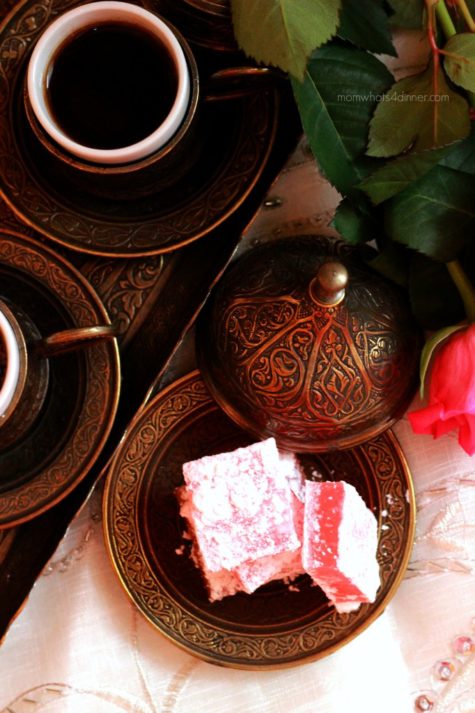
Back in 2023, I hadn’t had nearly as many resources for my first rahat al-hulqum post as I do in 2026. So here’s the updated version of that post, with a lot more history! Rahat al-Hulqum and Faludhaj The story that Nathaniel Webb bought for Wyngraf was an 8,000 word version of the prologue of…
Written by
-
Queer Your Bookshelf and Shai Rahim’s Bazmaward Wraps
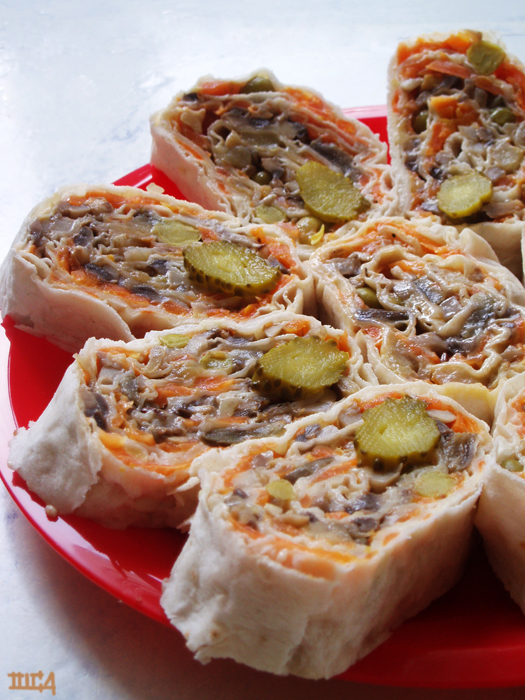
The day I’m posting this (March 14, 2026) is the latest Queer Your Bookshelf day! For one day only, hundreds of queer books will be available for 99 cents (or as inexpensively as the vendors allow in other currencies). Have a browse, click some links, queer your bookshelf, wins all around. Also, here’s the first…
Written by
-
Zirbaj of Plausible Deniability
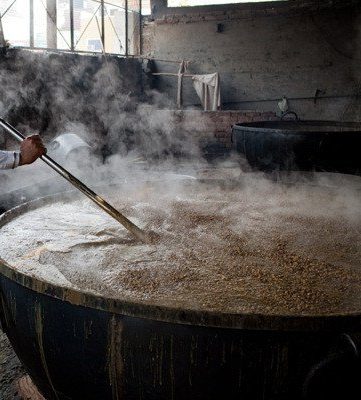
(Part of the recipe collection from Haroun and the Study of Mischief. But since I have a bad time with the “traditional” corned beef, and so do many vegetarians, pescetarians, and migraine-havers, I thought I’d put this out a bit before St. Patrick’s Day for consideration as an alternative. The image of the cook at…
Written by
-
Kitty Game! and Puppy Chow
Man, it’s… it’s been A Time, hasn’t it. I’d gotten through a couple months with reposting already-written recipes, but I’ve actually nibbled through that backlog, so here’s a new one, and also a new novella: Kitty Game! If you’re subscribed to my newsletter, you’ll get a link to Kitty Game! this month along with links…
Written by

-
Pickles: Mukhalal and quick pickles
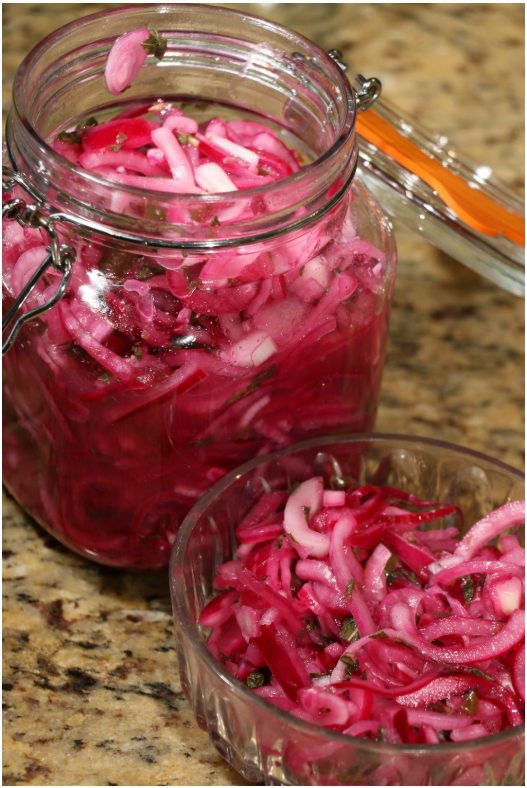
(From the recipe collection in Haroun and the Study of Mischief, and a more historical dive into the background of pickles. And also, amusingly, we’re back to February pink food!) Evidence for vinegared cucumbers dates back about 4,400 years in Mesopotamia, though the word used then probably was neither achaar nor mukhalal nor pickle. (I…
Written by
-
Pickles: Aam ka achaar / green mango pickles
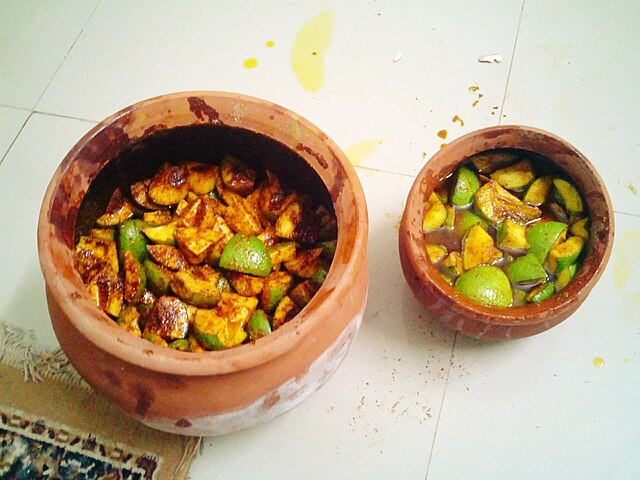
(From the recipe collection in Haroun and the Study of Mischief. But also I thought it was hilarious to post the spicy and sour pickle recipe the week after the pink-and-roses recipe and the day after Valentine’s Day, which I also call Discount Chocolate Day.) In bookish news, Chai and Charmcraft is now available both…
Written by
-
Preorders and Pickles: Sweet and sour rose pickles
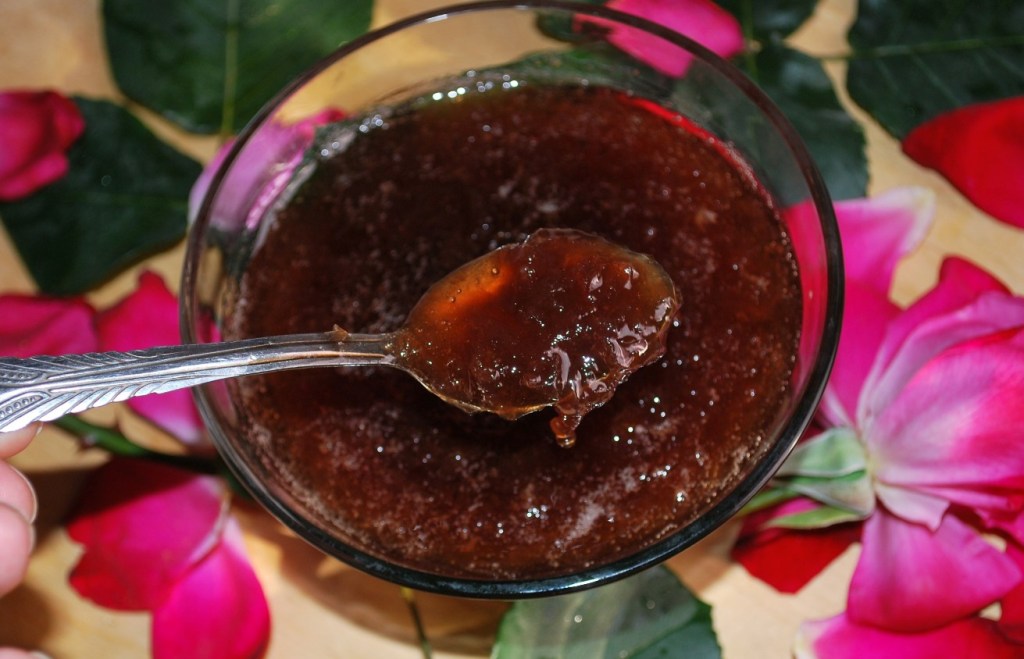
Book release, Chai and Charmcraft, Haroun, Haroun and the Study of Mischief, Rahat aka Faraj, Recipes, Shai Madhur(Part of the recipe collection from Haroun and the Study of Mischief. But also, it seemed like a pink and rose-petaled recipe was quite suited to start off February! And I’ve just opened preorders for Chai and Charmcraft this week; I’ll keep adding links to the page as more distributors come online. I seem to…
Written by
-
Cheeses: Qanbaris, dahi, and paneer
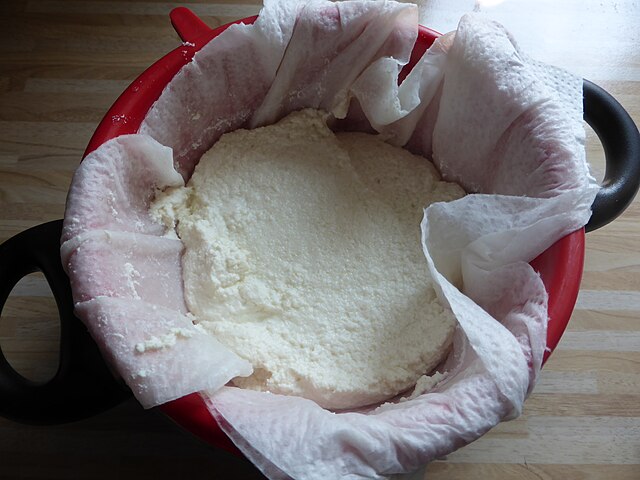
Including Mad Alchemist’s Cheese and Accidental Earl Grey Paneer
Written by
-
Cheeses: Haloum and Halloumi
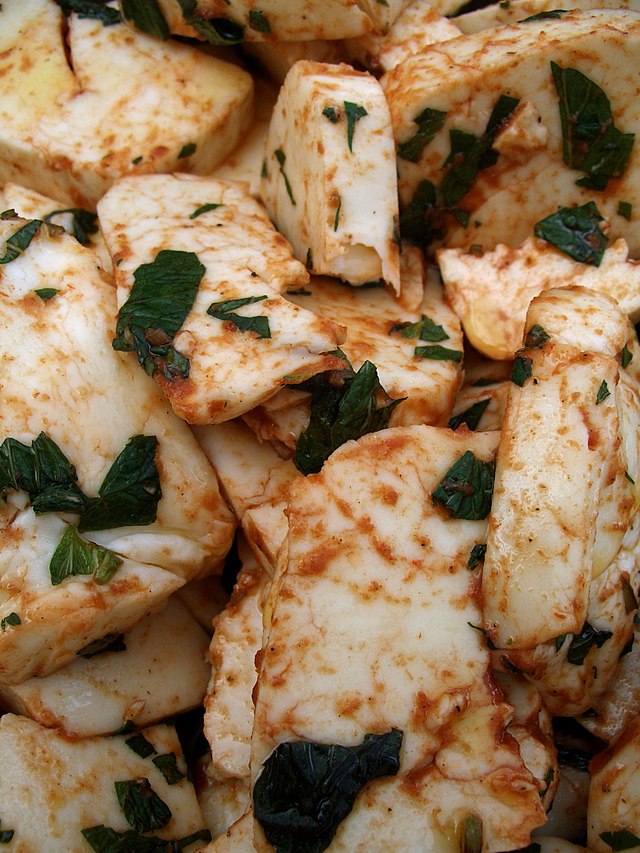
(from the recipe collection in Haroun and the Study of Mischief) The spice mixes in this collection also make delicious additions to cheese. You could stir atraf al-tib into a drained Greek yogurt or sprinkle za’atar into the makings of qanbaris or dahi. Mozzarella balls or paneer or halloumi chunks rolled in za’atar and served…
Written by
-
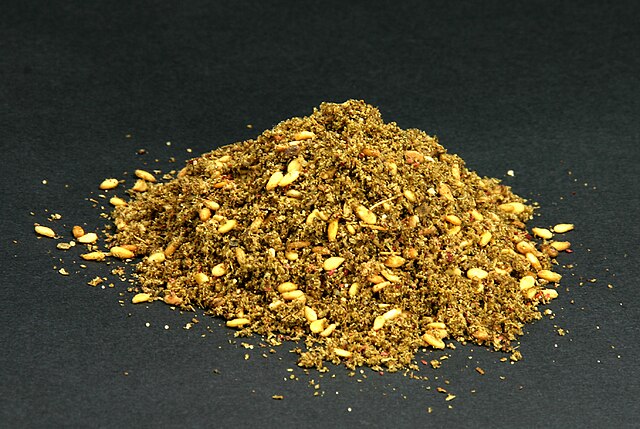
Spice blends: Za’atar
(Part of the recipe collection from Haroun and the Study of Mischief) Za’atar can mean Syrian thyme / Origanum syriacum by itself, but it’s also meant thyme-based spice blends from the Middle Ages until today. In Nasrallah’s Treasure Trove recipes 529-33, the za’atar blend she describes is used for flavoring cheese and involves moldy bread…
Written by
-
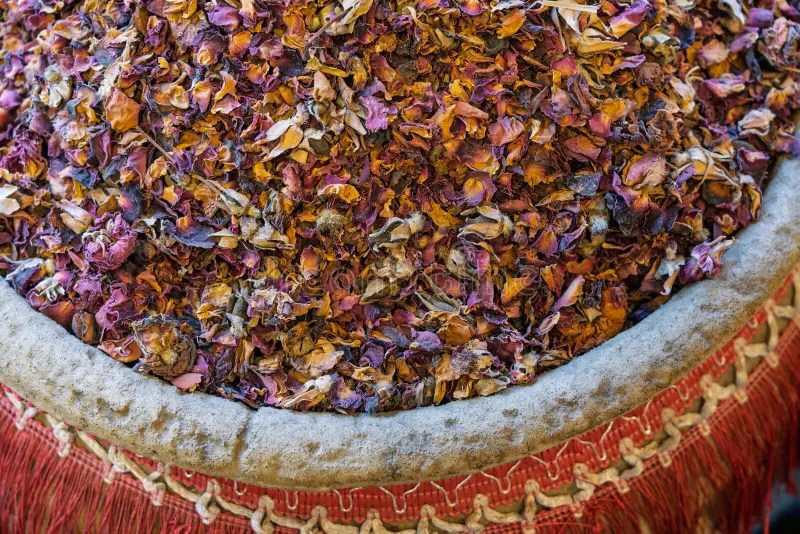
Spice blends: Atraf al-tib
(Part of the recipe collection in Haroun and the Study of Mischief) The dividing line between food, perfume, and incense was much blurrier in the medieval Middle East than it is in many places today; you can find recipes for breath mints that can also be burned as incense, or for spice blends that also…
Written by
-
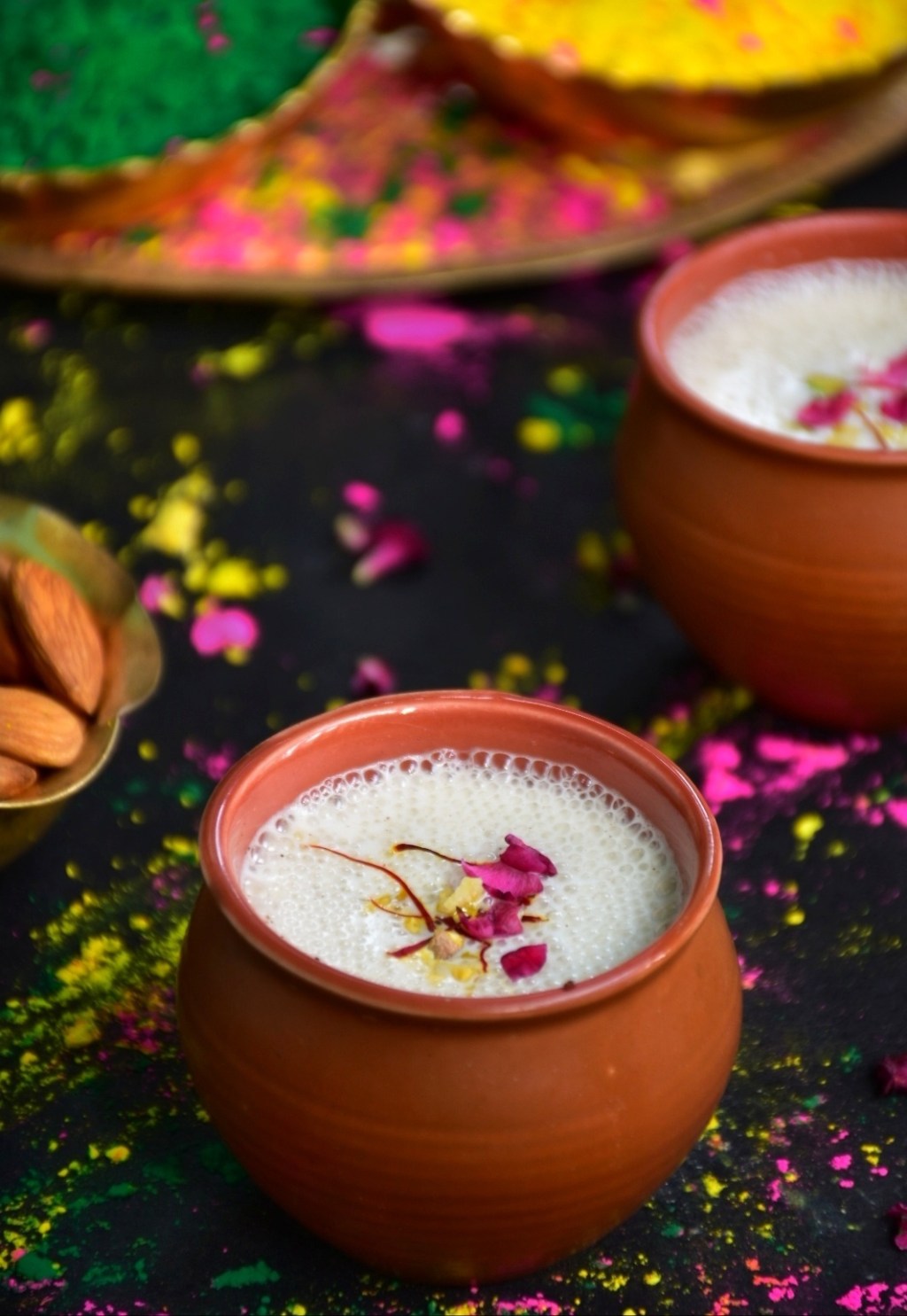
Sharbat for the Shahzada
(One of the recipes from Chai and Cat-tales) This is based on several historic recipes, most particularly sharbat e badam. Sharbat and sekanjabin and ‘aqsima / oxymel are very old beverages. Similar syrups were recorded by the 11th century’s Canon of Medicine by ibn Sina (known in much of Europe as Avicenna), with further details…
Written by
-
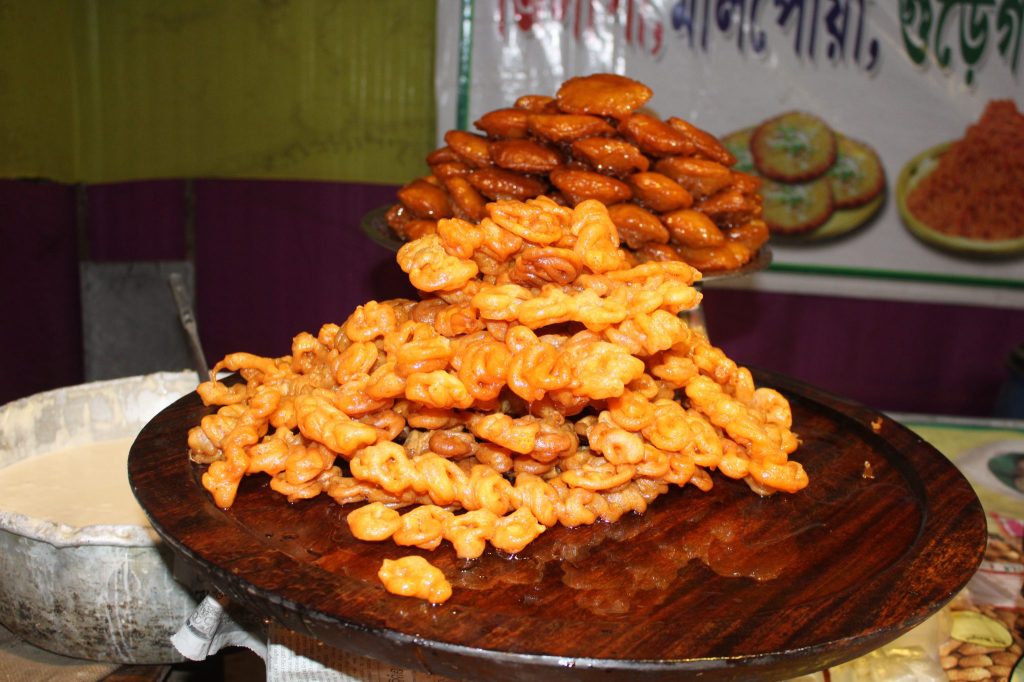
Zulabiyya for the Eldest Archivist
As part of my quest to make recipe post with history notes available for all the book recipes, here’s another from the Chai and Cat-tales collection. This one is everything from historical to modern. Zulabiyya is one of the recipes that has the “peanut butter and jelly” problem, in that everyone assumes everyone knows how…
Written by
-
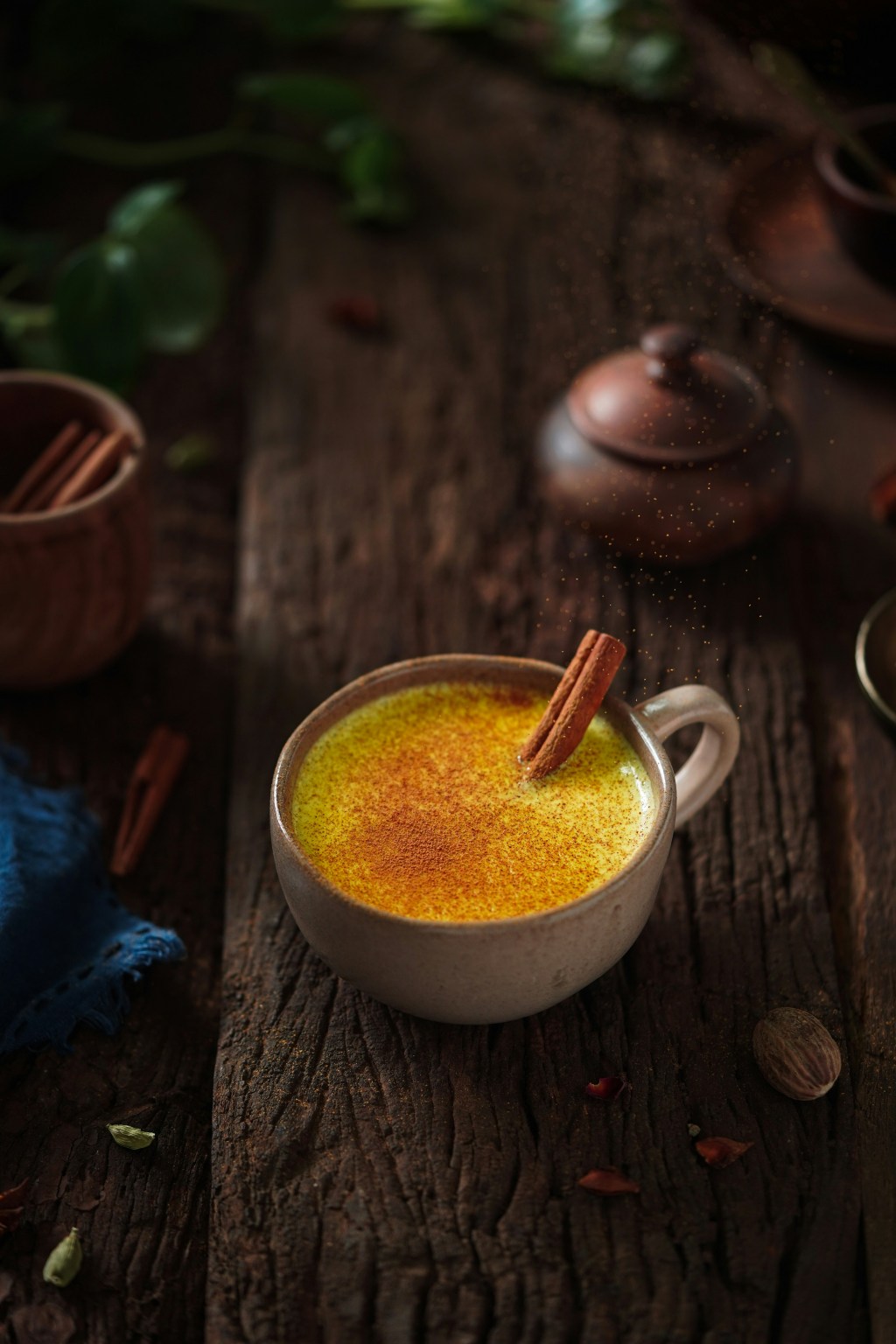
Warm comfort: Golden milk and chai
(looking around nervously) so uh is 2025 really truly over yet please?
Written by
-
Book release: “Haroun and the Study of Mischief” Gets Unleashed!
In which Two Very Good Boys might like to fight crime, if there has been a crime other than their fashion sense. (50 pages of bonus recipes in the book! Grandmother’s karkadeh is included here.)
Written by
-
Oh My Dog… two weeks to unleashed!
Salted lemon pickles sound like the perfect recipe for the massively overscheduled brine I’ve gotten myself into this week…
Written by
-
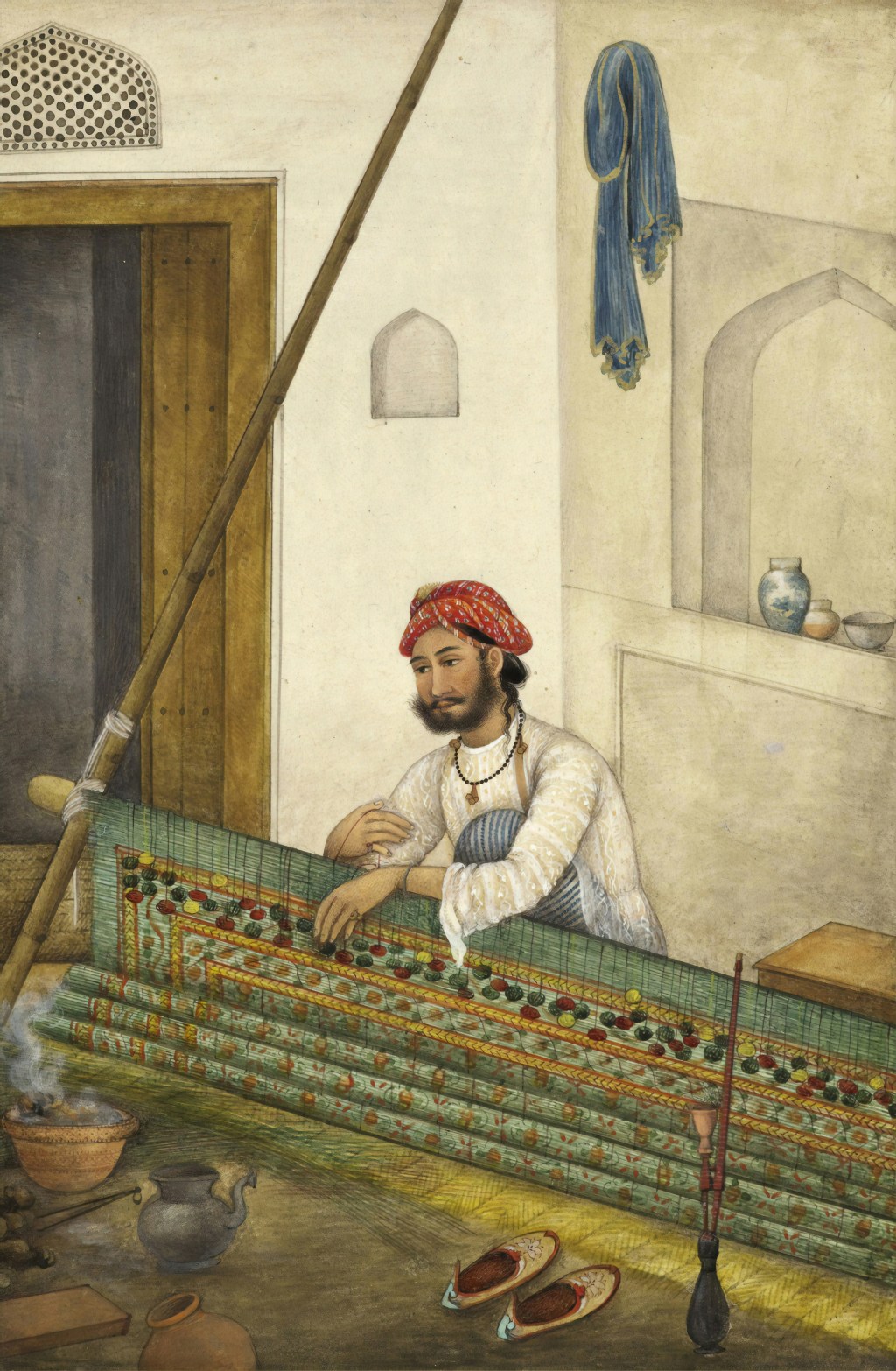
Ranveer, The Next Book, and The Dagobah Swamp Ramen
I’m working on getting Haroun and the Study of Mischief ready for publication — that isn’t the book I thought was coming next! But it went from 0 to 60 in 8 madcap days over spring break for the Cozy Quill Pitchfest, and then I had a finished standalone book! And I’m still figuring out…
Written by
-
Book Launch and Mouse Party!
If you’re feeling overwhelmed by the Big Parties, you’re not alone. Here’s a very Small Party for whatever level of ambition you feel like.
Written by

-
Coming in December: The Childless Cat Lady’s Tale, and a new book
The night before the election, when I hadn’t slept for two days from pain from both the literal stormfront and the pressure of what was hanging over the world, I asked my friend Celia Lake for a sanity check on how crazy it might be to try to publish a book before the end of…
Written by

-
Cozy Fantasy sale, birthday wishes, and a bouquet of beverages
Karryn Nagel’s Cozy the Day Away sale is happening July 12, which happens to be my birthday. I know what I’m doing…
Written by

-
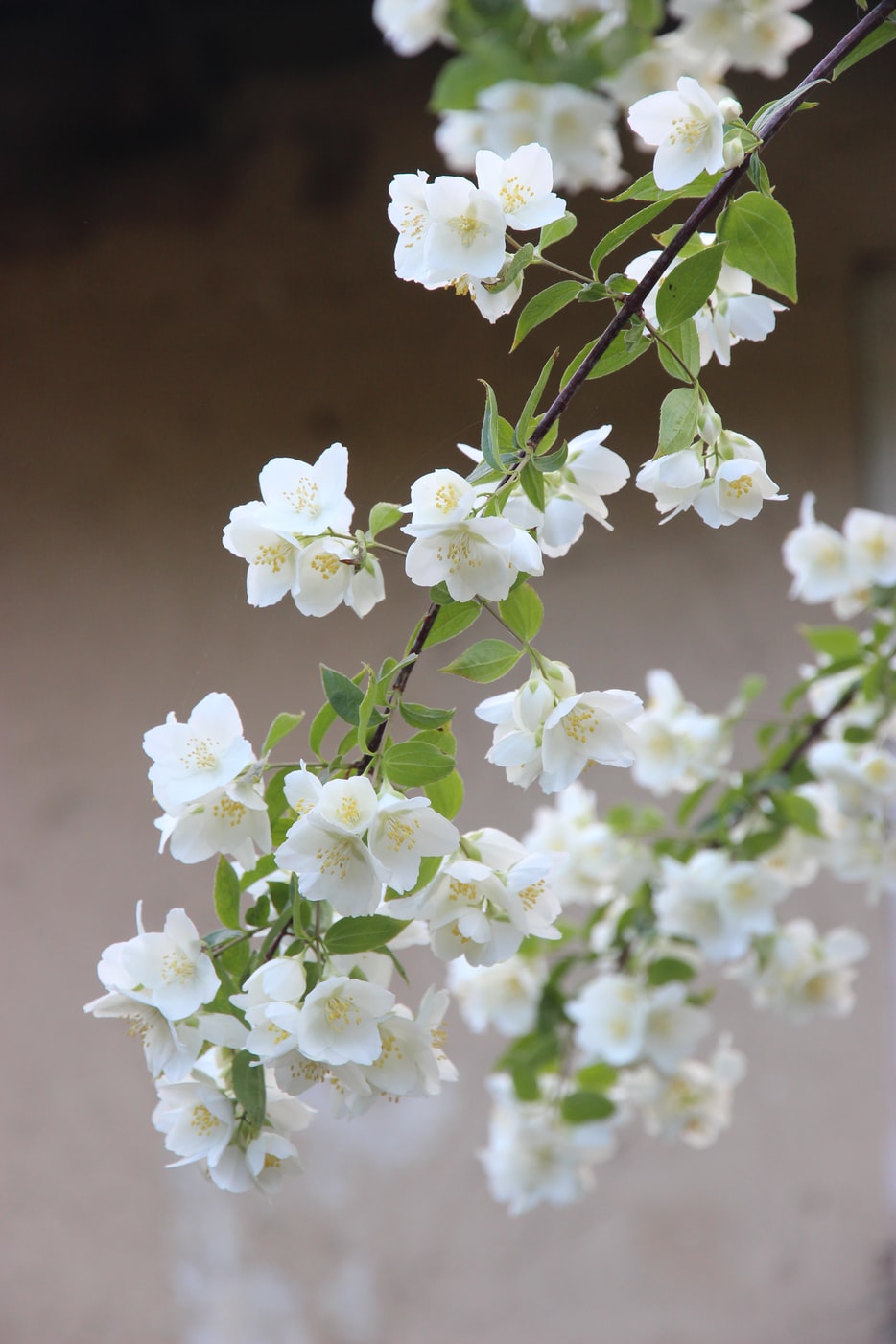
Midsummer at the House of Jasmines
It’s Midsummer, and my jasmine plant is loving it. I, meanwhile, am looking for simple but cooling drinks when hot chai sounds less appealing. This chameli/mogre infusion hits the sweet spot.
Written by
-
Neurodiverse fantasies and Sahar’s Misty Evening Chai Latte
April 26 has a cozy fantasy sale, April as a whole is Autism Awareness month, and Sahar the soft and gray gets her own misty evening chai latte blend.
Written by
-
Pre-orders, previews, and Priye’s brindle chai
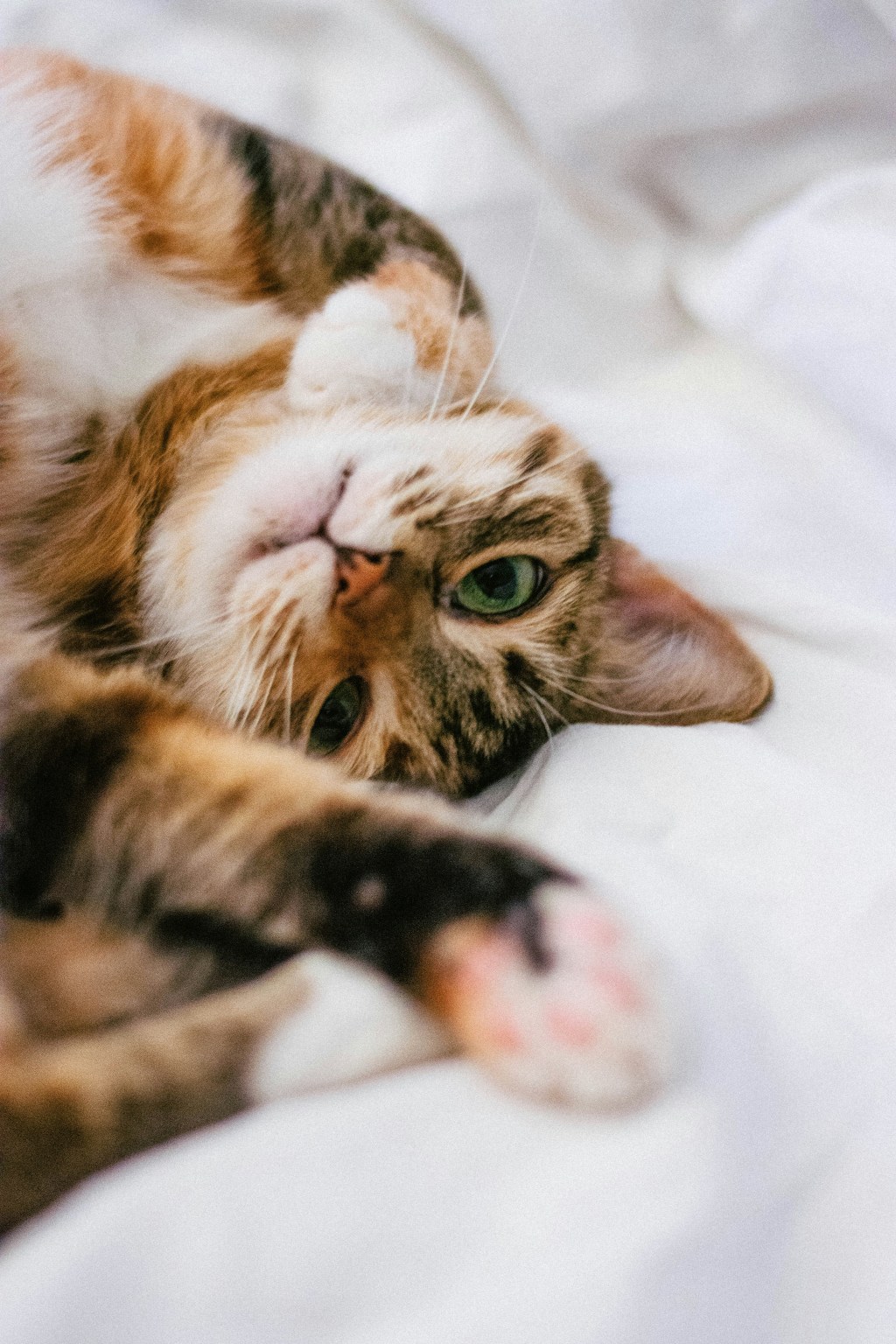
Wyngraf’s Valentine Special is available for preorder! Come celebrate with Priye’s brindle chai: chocolate, orange, and chai masala. But Priye and I are low on spoons, so this is the easy version for kittens.
Written by
-
Rahat’s namesake sweets: Rahat-al-hulqum / Lokoum / Turkish delight
(This original post was from December 2023, but in a couple more weeks I’ll have a part 2 with a lot more history available!) This story started with Ashar’s rose chai and the idea that there should be more Prince Charmings in the world of different ages and colors and body types and confidence levels,…
Written by
-
Asharan’s Rose Chai
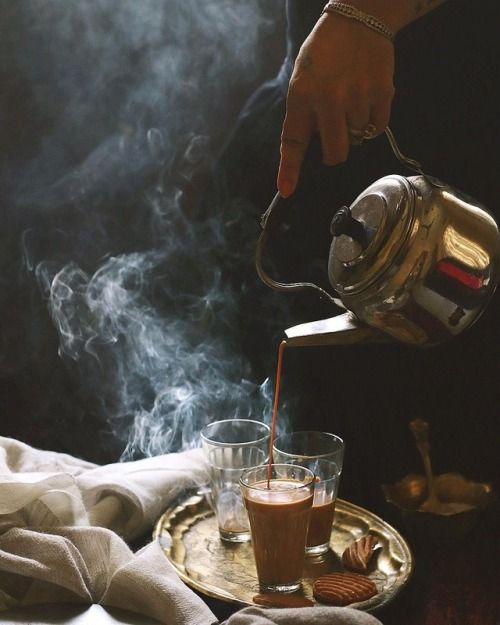
I originally came up with this chai recipe in 2019, for the last all-together role-playing session my friends and I had before one of us moved to Chicago. (And if anyone is wondering, the character I played, whom Asharan is built from, is a D&D 5e glamour bard. 😀 That’s how I’m keeping myself honest…
Written by
-
Cozy fantasy with a splash of rosewater, and many cats
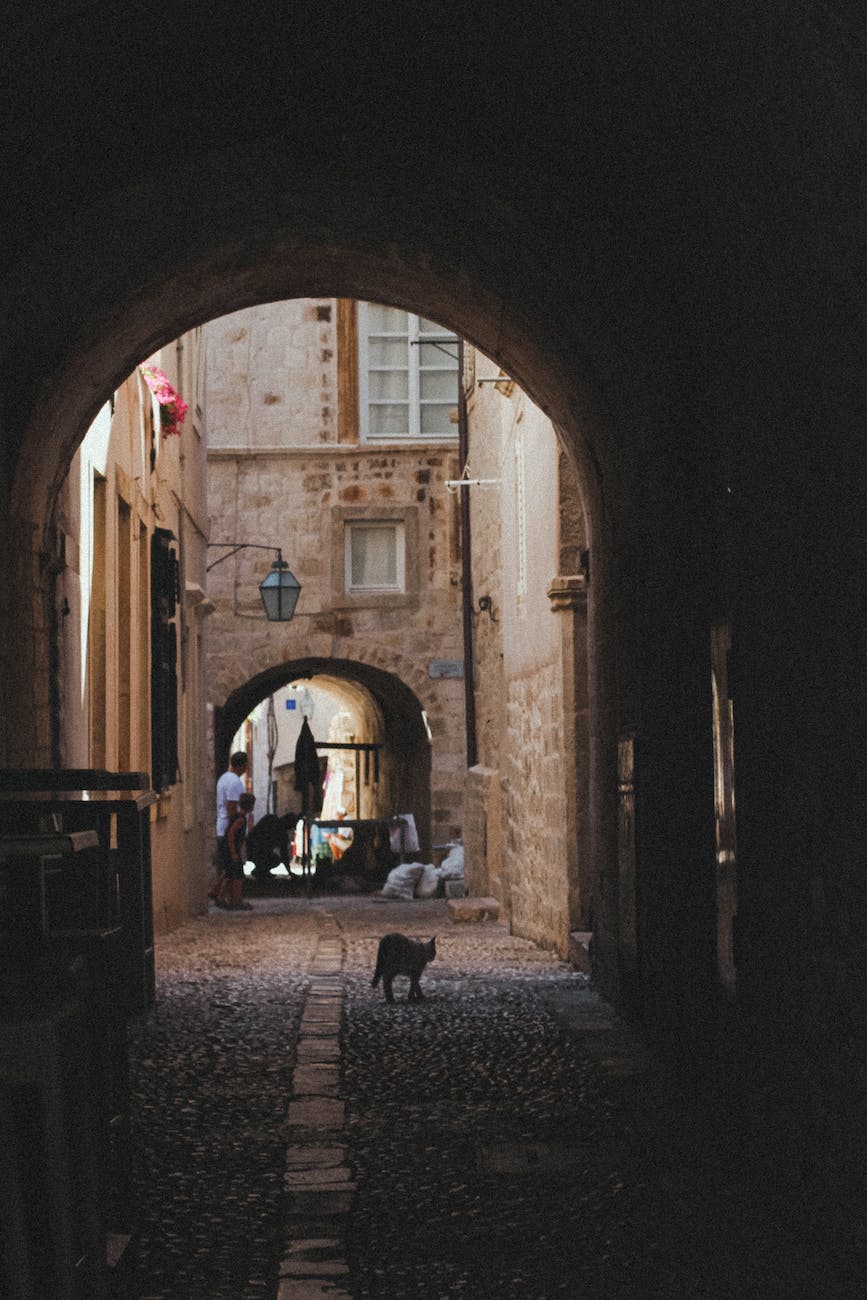
Lynn Strong (who uses any pronouns, or none, with the pen name) has been a professional writer for over 25 years. But Lynn had never ventured beyond fanfiction until Wyngraf Magazine accepted a story for the February 2024 edition. Well, Lynn thought, I guess I need a website, then. (Hi!)
Written by

-
Rahat al-Hulqum Revisited
Back in 2023, I hadn’t had nearly as many resources for my first rahat al-hulqum post as I do in 2026. So here’s the updated version of that post, with a lot more history! Rahat al-Hulqum and Faludhaj The story that Nathaniel Webb bought for Wyngraf was an 8,000 word version of the prologue of…
Written by
-
Queer Your Bookshelf and Shai Rahim’s Bazmaward Wraps
The day I’m posting this (March 14, 2026) is the latest Queer Your Bookshelf day! For one day only, hundreds of queer books will be available for 99 cents (or as inexpensively as the vendors allow in other currencies). Have a browse, click some links, queer your bookshelf, wins all around. Also, here’s the first…
Written by
-
Zirbaj of Plausible Deniability
(Part of the recipe collection from Haroun and the Study of Mischief. But since I have a bad time with the “traditional” corned beef, and so do many vegetarians, pescetarians, and migraine-havers, I thought I’d put this out a bit before St. Patrick’s Day for consideration as an alternative. The image of the cook at…
Written by
-
Kitty Game! and Puppy Chow
Man, it’s… it’s been A Time, hasn’t it. I’d gotten through a couple months with reposting already-written recipes, but I’ve actually nibbled through that backlog, so here’s a new one, and also a new novella: Kitty Game! If you’re subscribed to my newsletter, you’ll get a link to Kitty Game! this month along with links…
Written by
-
Pickles: Mukhalal and quick pickles
(From the recipe collection in Haroun and the Study of Mischief, and a more historical dive into the background of pickles. And also, amusingly, we’re back to February pink food!) Evidence for vinegared cucumbers dates back about 4,400 years in Mesopotamia, though the word used then probably was neither achaar nor mukhalal nor pickle. (I…
Written by
-
Pickles: Aam ka achaar / green mango pickles
(From the recipe collection in Haroun and the Study of Mischief. But also I thought it was hilarious to post the spicy and sour pickle recipe the week after the pink-and-roses recipe and the day after Valentine’s Day, which I also call Discount Chocolate Day.) In bookish news, Chai and Charmcraft is now available both…
Written by
-
Preorders and Pickles: Sweet and sour rose pickles
Book release, Chai and Charmcraft, Haroun, Haroun and the Study of Mischief, Rahat aka Faraj, Recipes, Shai Madhur(Part of the recipe collection from Haroun and the Study of Mischief. But also, it seemed like a pink and rose-petaled recipe was quite suited to start off February! And I’ve just opened preorders for Chai and Charmcraft this week; I’ll keep adding links to the page as more distributors come online. I seem to…
Written by
-
Cheeses: Qanbaris, dahi, and paneer
Including Mad Alchemist’s Cheese and Accidental Earl Grey Paneer
Written by
-
Cheeses: Haloum and Halloumi
(from the recipe collection in Haroun and the Study of Mischief) The spice mixes in this collection also make delicious additions to cheese. You could stir atraf al-tib into a drained Greek yogurt or sprinkle za’atar into the makings of qanbaris or dahi. Mozzarella balls or paneer or halloumi chunks rolled in za’atar and served…
Written by
-
Spice blends: Za’atar
(Part of the recipe collection from Haroun and the Study of Mischief) Za’atar can mean Syrian thyme / Origanum syriacum by itself, but it’s also meant thyme-based spice blends from the Middle Ages until today. In Nasrallah’s Treasure Trove recipes 529-33, the za’atar blend she describes is used for flavoring cheese and involves moldy bread…
Written by
-
Spice blends: Atraf al-tib
(Part of the recipe collection in Haroun and the Study of Mischief) The dividing line between food, perfume, and incense was much blurrier in the medieval Middle East than it is in many places today; you can find recipes for breath mints that can also be burned as incense, or for spice blends that also…
Written by
-
Sharbat for the Shahzada
(One of the recipes from Chai and Cat-tales) This is based on several historic recipes, most particularly sharbat e badam. Sharbat and sekanjabin and ‘aqsima / oxymel are very old beverages. Similar syrups were recorded by the 11th century’s Canon of Medicine by ibn Sina (known in much of Europe as Avicenna), with further details…
Written by
-
Zulabiyya for the Eldest Archivist
As part of my quest to make recipe post with history notes available for all the book recipes, here’s another from the Chai and Cat-tales collection. This one is everything from historical to modern. Zulabiyya is one of the recipes that has the “peanut butter and jelly” problem, in that everyone assumes everyone knows how…
Written by
-
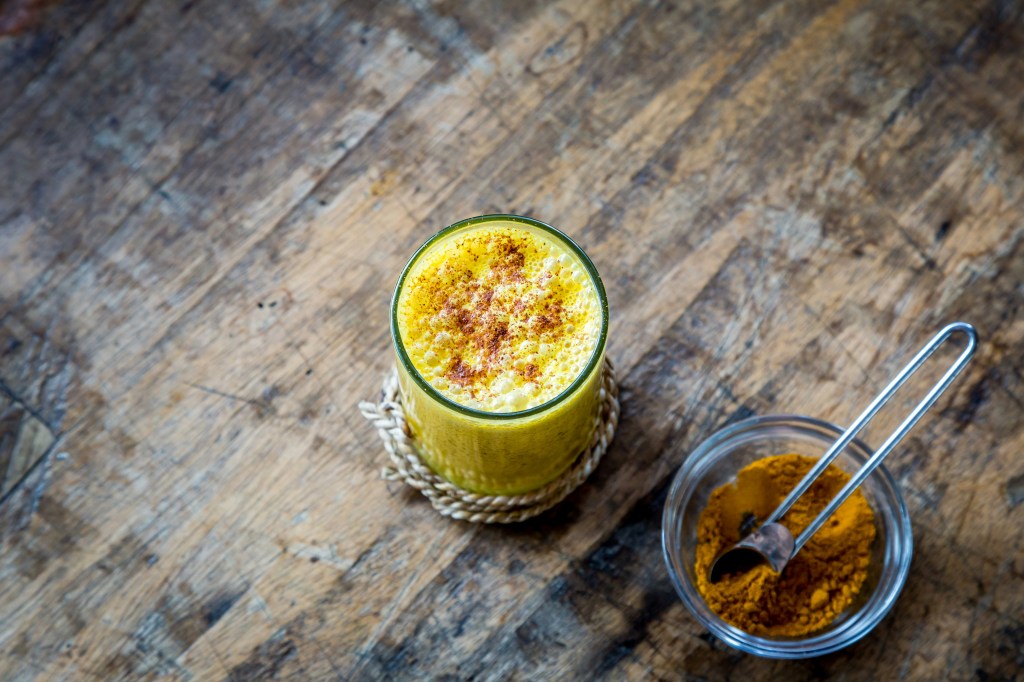
Warm comfort: Golden milk and chai
(looking around nervously) so uh is 2025 really truly over yet please?
Written by
-
Book release: “Haroun and the Study of Mischief” Gets Unleashed!
In which Two Very Good Boys might like to fight crime, if there has been a crime other than their fashion sense. (50 pages of bonus recipes in the book! Grandmother’s karkadeh is included here.)
Written by
-
Oh My Dog… two weeks to unleashed!
Salted lemon pickles sound like the perfect recipe for the massively overscheduled brine I’ve gotten myself into this week…
Written by
-
Ranveer, The Next Book, and The Dagobah Swamp Ramen
I’m working on getting Haroun and the Study of Mischief ready for publication — that isn’t the book I thought was coming next! But it went from 0 to 60 in 8 madcap days over spring break for the Cozy Quill Pitchfest, and then I had a finished standalone book! And I’m still figuring out…
Written by
-
Book Launch and Mouse Party!
If you’re feeling overwhelmed by the Big Parties, you’re not alone. Here’s a very Small Party for whatever level of ambition you feel like.
Written by
-
Coming in December: The Childless Cat Lady’s Tale, and a new book
The night before the election, when I hadn’t slept for two days from pain from both the literal stormfront and the pressure of what was hanging over the world, I asked my friend Celia Lake for a sanity check on how crazy it might be to try to publish a book before the end of…
Written by
-
Cozy Fantasy sale, birthday wishes, and a bouquet of beverages
Karryn Nagel’s Cozy the Day Away sale is happening July 12, which happens to be my birthday. I know what I’m doing…
Written by
-
Midsummer at the House of Jasmines
It’s Midsummer, and my jasmine plant is loving it. I, meanwhile, am looking for simple but cooling drinks when hot chai sounds less appealing. This chameli/mogre infusion hits the sweet spot.
Written by
-
Neurodiverse fantasies and Sahar’s Misty Evening Chai Latte
April 26 has a cozy fantasy sale, April as a whole is Autism Awareness month, and Sahar the soft and gray gets her own misty evening chai latte blend.
Written by
-
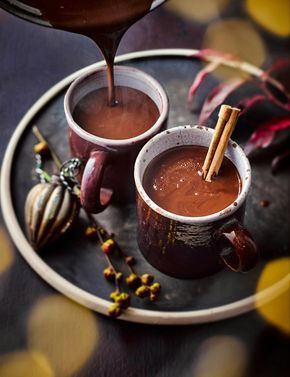
Pre-orders, previews, and Priye’s brindle chai
Wyngraf’s Valentine Special is available for preorder! Come celebrate with Priye’s brindle chai: chocolate, orange, and chai masala. But Priye and I are low on spoons, so this is the easy version for kittens.
Written by
-
Rahat’s namesake sweets: Rahat-al-hulqum / Lokoum / Turkish delight
(This original post was from December 2023, but in a couple more weeks I’ll have a part 2 with a lot more history available!) This story started with Ashar’s rose chai and the idea that there should be more Prince Charmings in the world of different ages and colors and body types and confidence levels,…
Written by
-
Asharan’s Rose Chai
I originally came up with this chai recipe in 2019, for the last all-together role-playing session my friends and I had before one of us moved to Chicago. (And if anyone is wondering, the character I played, whom Asharan is built from, is a D&D 5e glamour bard. 😀 That’s how I’m keeping myself honest…
Written by
-
Cozy fantasy with a splash of rosewater, and many cats
Lynn Strong (who uses any pronouns, or none, with the pen name) has been a professional writer for over 25 years. But Lynn had never ventured beyond fanfiction until Wyngraf Magazine accepted a story for the February 2024 edition. Well, Lynn thought, I guess I need a website, then. (Hi!)
Written by
 Lynn Strong